




Kashgar Travel Guide | History, Culture & Practical Itinerary
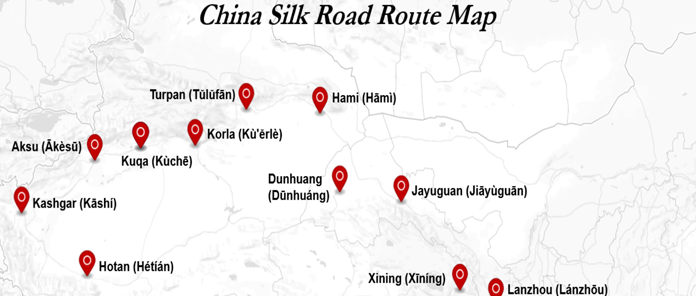
Kashgar (also spelled Kashghar) is one of the most historically significant cities along the ancient Silk Road. Located in far western China’s Xinjiang Uygur Autonomous Region, it has served for over two millennia as a crossroads of trade, culture, and religion between East and West.
Today, Kashgar remains a living urban center where traditional Islamic architecture, interwoven alleyways, vibrant bazaars, and age-old cultural traditions continue to define daily life for its diverse inhabitants. This guide provides a systematic overview of Kashgar’s history, culture, climate, key sights, neighborhoods, travel tips, and suggested itineraries.
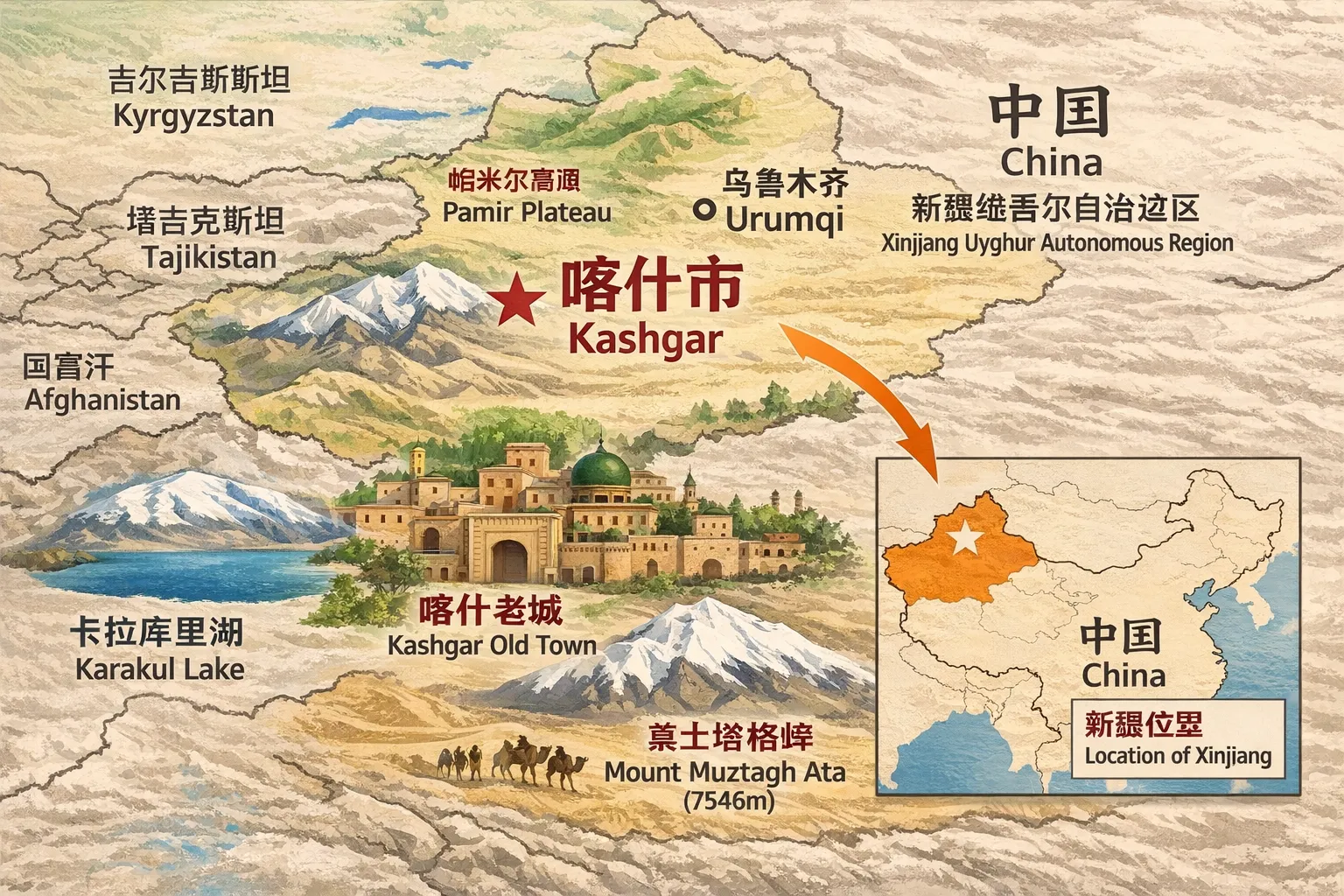
Where Is Kashgar?
Kashgar lies in southwestern Xinjiang, near the foothills of the Pamir Mountains and close to the borders with Tajikistan, Afghanistan, and Pakistan. Geographically, it is a gateway between China and Central Asia — a role that shaped its strategic and cultural importance throughout history.
The city's position meant that for centuries it was a bustling hub of caravan traffic, where merchants from distant trading networks met to exchange goods such as silk, spices, jade, horses, and precious metals.
Historical Overview
The history of Kashgar spans thousands of years, with archaeological and textual evidence indicating early settlement and trading activity as far back as the 2nd century BCE. It became especially prominent during the height of the Silk Road trade when the city was an important stop on routes linking China, Central Asia, Persia, and beyond.
Throughout its history, Kashgar came under the influence or control of various empires and cultural spheres, including:
The Han Dynasty and Tang Dynasty from China
Turkic and Persianate kingdoms
The Mongol Empire
Islamic rule following the spread of Islam
Qing Dynasty administration in the 18th century
This layered past is reflected in the language, architecture, religion, and cultural traditions found in Kashgar today.
Climate and Best Time to Visit
Kashgar has a temperate semi-arid climate, characterized by:
Hot, dry summers
Cold, dry winters
Large temperature variations between day and night
Rainfall is infrequent and mostly occurs in spring. Optimal travel months are April–June and September–October, when temperatures are milder and the city is more comfortable for exploring on foot.
Exploring Kashgar Old City
The heart of Kashgar is its Old City — a sprawling quarter of narrow alleys, earthen architecture, and traditional life that feels frozen in time.
Urban Fabric and Architecture
Kashgar Old City's buildings are traditionally mud-brick and earth-based, designed to cope with the arid climate by absorbing heat during the day and releasing it at night. Many homes have ornate wooden doors carved with symbolic motifs.
Wandering its streets reveals a lived-in atmosphere: laundry hung between buildings, children playing in courtyards, local bakers shaping dough, and goat herds walking alongside pedestrians.
Main Old City Highlights
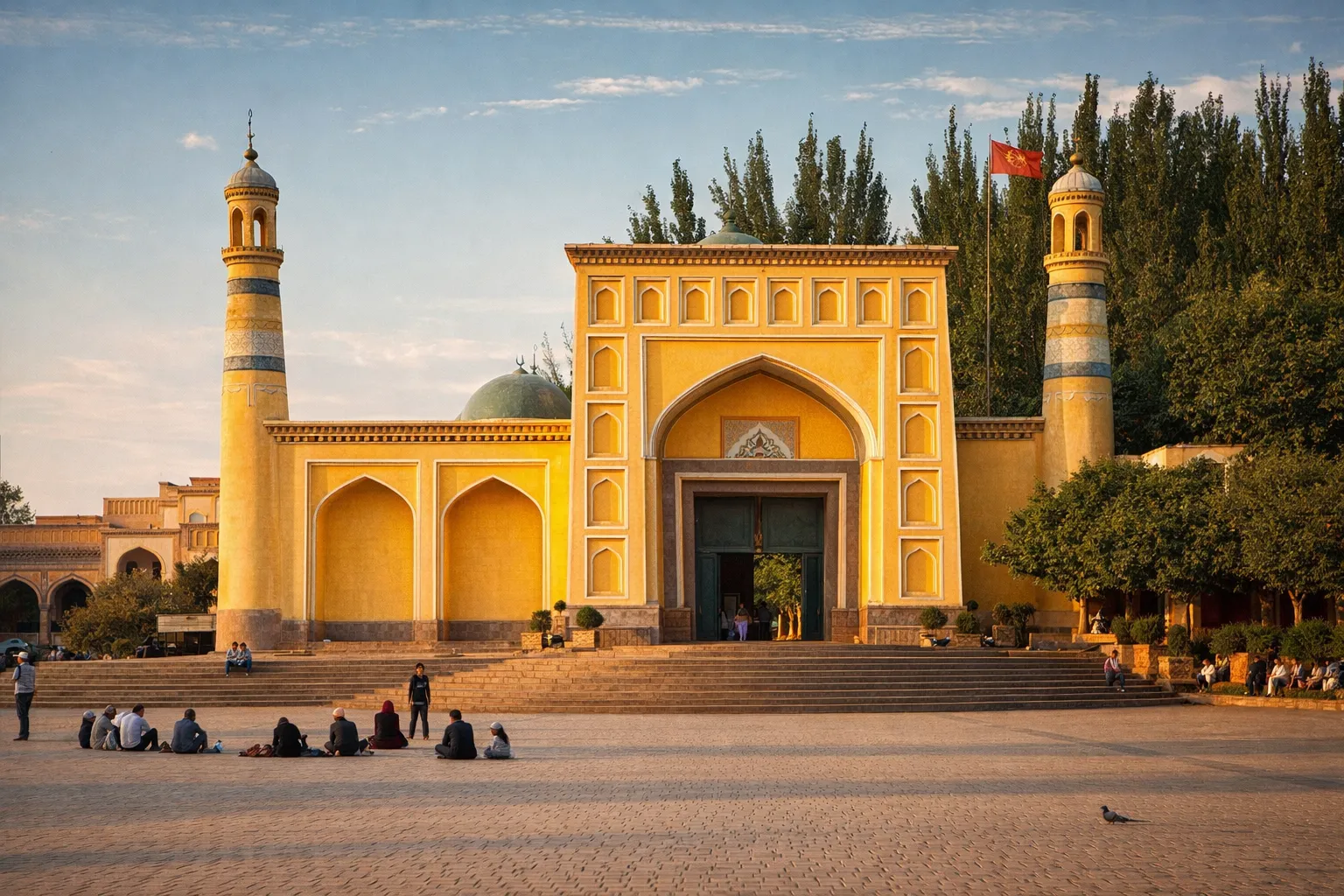
Id Kah Mosque
One of Kashgar's most iconic religious sites and one of China's largest mosques. It remains an active place of worship and a focal point during Friday prayers and Muslim holidays.
Traditional Alley Markets
Unlike modern shopping areas, the markets in the Old City are woven into everyday life. You can find:
Handwoven carpets and textiles
Spices and dried fruit
Copperware and pottery
Local musical instruments
These markets are windows into traditional crafts and daily commerce.
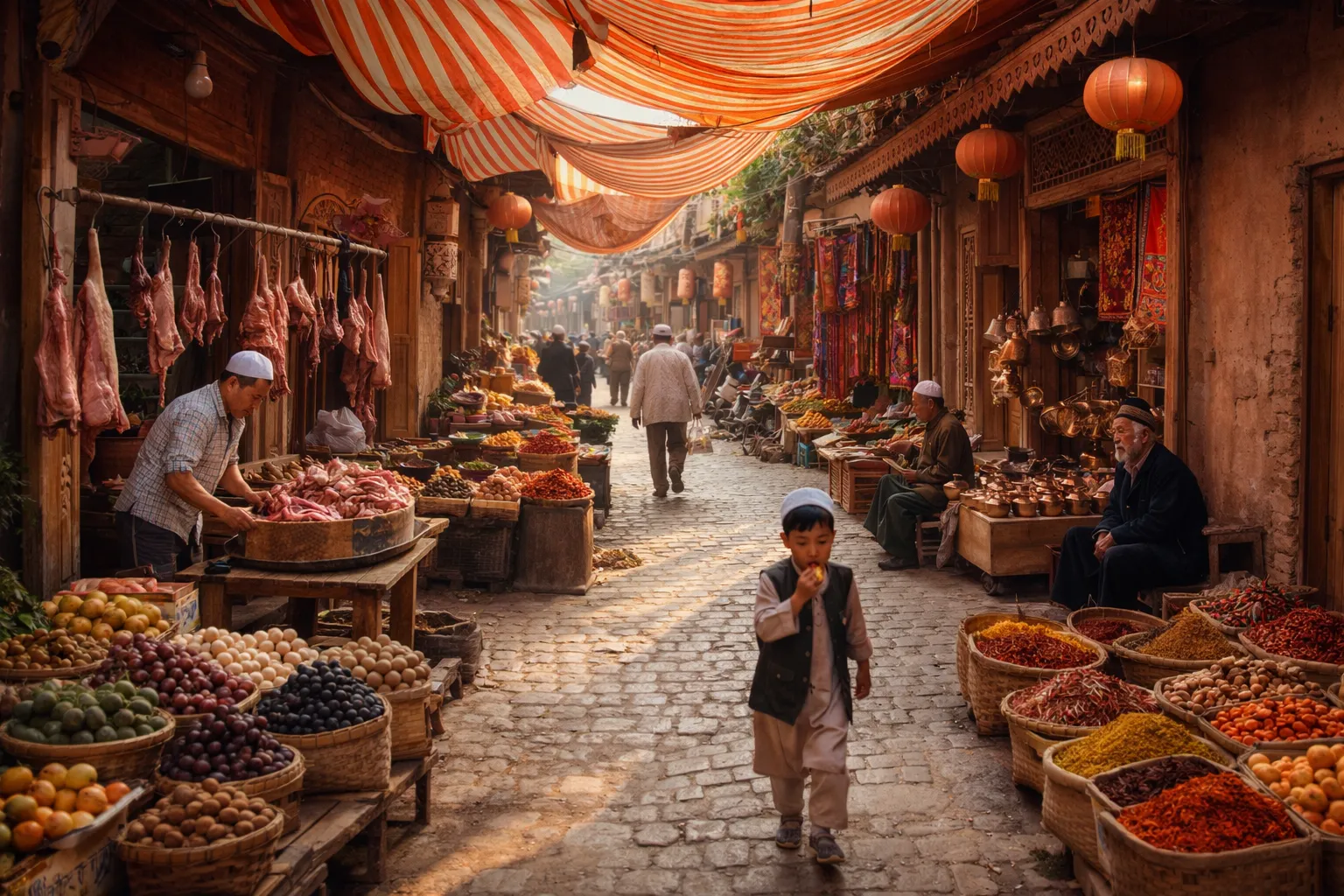
Day Markets and Bazaars
Sunday Livestock Market
Held weekly on Sundays, this traditional livestock market is one of Central Asia's most colorful trading events. Local herders bring camels, sheep, goats, and cattle, and deals are made in an open-air environment filled with calls, negotiations, and animated activity.
General Bazaar
Adjacent to the livestock market sits the city's commercial bazaar, selling all manner of goods — from carpets and spices to sweets and clothing. The bazaar is especially lively in the morning and early afternoon.
Cultural Experiences and Local Life
Music and Dance
Kashgar's music scene reflects its cultural synthesis. Traditional Uyghur music is often melodic and microtonal, featuring instruments such as the rawap, dutar, and satar. Local performances may be encountered in cultural centers or during festivals.
Cuisine
Local cuisine is heavily influenced by Central Asian flavors, with common elements including:
Wood-fired naan bread
Polo (rice with lamb and carrots)
Hand-pulled laghman noodles
Grilled lamb kebabs
Dried fruits and nuts
These dishes balance spice and heartiness and are staples in Kashgar's eateries.
Recommended Sightseeing Itineraries
One-Day Itinerary
Morning: Old City exploration & Sunday Livestock Market
Midday: Lunch of local specialties
Afternoon: Visit Id Kah Mosque and surrounding bazaars
Evening: Sunset walk along historic city walls
Two-Day Itinerary
Day 1: Old City & Markets + Cultural Performances
Day 2: Day trip to nearby oasis villages or Sunday livestock market (seasonal)
Practical Travel Tips
Language: Uyghur and Mandarin are commonly spoken; English is rare.
Dress Code: Respect local customs by wearing modest clothing, especially near mosques.
Photography: Ask permission before photographing people in the Old City.
Cash & Payments: Many smaller vendors prefer cash over mobile payments.
Safety and Cultural Respect
Kashgar is a tourist-accessible city, but visitors are encouraged to be mindful of cultural sensitivities:
Avoid political or controversial topics while engaging with locals.
Be respectful of religious practices, especially during prayer times and Ramadan.
Overall, devout respect for local practices enhances the travel experience and fosters positive cultural exchange.
Frequently Asked Questions (FAQ)
Q1: Is Kashgar still an authentic Old Silk Road city?
A: Yes. Unlike reconstructed "tourist towns," Kashgar's Old City is still inhabited and retains authentic urban texture with residential life and historic architecture.
Q2: How long should I stay in Kashgar?
A: 1–3 days is ideal. One day covers major highlights, two days allow more cultural depth, and three days allow side excursions to nearby villages or markets.
Q3: Is Kashgar safe for travelers?
A: Yes, as with any destination, basic situational awareness is recommended, but major tourist areas are well-visited and travel infrastructure is in place.
Q4: What is the best time to visit Kashgar?
A: Spring and autumn offer the most comfortable weather for walking and market visits.
If you are planning a comprehensive Xinjiang trip and want to experience Kashgar as part of a larger cultural journey, the 2026 Northern & Southern Xinjiang Silk Road Express 17-Day itinerary offers a carefully curated route that includes Kashgar among other historic Silk Road highlights. More details are available here: