




China Travel Advisory Explained: Visas, Safety, and Essential Apps
You are excited to Travel to China. That energy is justified. This country is vast, ancient, and technologically stunning. Yet, if you are planning your trip right now, you know a simple China Travel Advisory isn't enough. You need specific, actionable solutions to common travel dilemmas.
The rules for entry, payment, and movement are unique. They are not like traveling in Europe or North America. International travelers often struggle with core barriers like visas, cashless payments, and communication. These can quickly turn an amazing trip into a stressful logistical puzzle. This is your practical guide to navigating these hurdles for a safe and enjoyable journey..
Section 1: Visa Requirements and Recent Changes
Forget everything you thought you knew about Chinese entry requirements. The government has radically expanded its policies. This expansion makes Travel to China easier than ever. You should check your country’s status immediately.
The 30-Day Exemption List
China has unilaterally extended visa-free travel for citizens of dozens of countries. This policy often lasts 30 days for tourism, business, or transit. This is a game-changer for short visits.
● You must confirm your passport's eligibility online before departure.
● The passport requires at least six months of remaining validity.
● Don't assume a visa isn't needed if you plan to stay longer than 30 days.
The 240-Hour Transit Rule
Even if your country is not on the visa-free list, you have a powerful tool. The expanded 240-hour visa-free transit policy helps travelers Travelling through China to a third country. It allows you to enter through 60 different ports. You can use this for a meaningful 10-day tour.
Identifying the Need for Professional Support
For most travelers, these new visa-free policies work well. However, you might need a specialized service for complex stays. You should consider consulting a China Travel Agency if your trip exceeds 30 days.
Expert support is also vital if you visit restricted regions. Many travelers manage these steps alone. Yet, experts ensure your documents are fully compliant. This helps prevent issues at the border. It allows you to focus on Travelling through China with total peace of mind.

Section 2: Conquering the Cashless Society
The biggest headache for first-time visitors is payment. China is almost entirely cashless. Relying on your credit card or cash is a massive mistake. You literally can't pay for a bowl of noodles or a taxi in many smaller cities.
Your Digital Lifeline: Alipay and WeChat
You need a mobile payment app. Alipay and WeChat are the two giants. They function by linking your foreign credit card (Visa, Mastercard, etc.) to a digital wallet.
● Alipay (The Tourist Favorite): This app is generally considered the easiest for foreigners to set up. It has robust English support. It supports linking international cards directly. You use the app's mini-programs to hail taxis and pay for transport.
● WeChat (The All-in-One): This is China’s main communication app. It also functions as a payment system. You can use it to chat with guides and pay vendors. Setting up the payment wallet sometimes requires extra steps, so Alipay is often the safer primary choice.
Essential Setup Tips
You must set up your mobile wallet before you leave home.
1. Download and Verify: Install the app (Alipay is recommended). Register your foreign mobile number. You need to complete identity verification by scanning your passport.
2. Link Your Card: Once verified, link your international credit card. There is a small transaction fee (often around 3%) for foreign cards, but it is worth the convenience.
3. Cash Backup: Carry a small amount of local currency (around RMB 1,000) for places like remote Silk Road market stalls or for emergencies when internet signal drops.

Section 3: Essential Apps for Seamless Movement
To keep your Travelling through China itinerary smooth, you need specific digital tools. Google services are largely blocked by the Firewall. Your foreign phone is almost useless without preparation.
Internet and Communication
● VPN is Non-Negotiable: If you want to use Gmail, Instagram, WhatsApp, or Google Maps, you need a reliable VPN. Don't wait until you land; VPN websites are blocked in China. Download, subscribe, and test it before you depart.
● Map Replacement: Ditch Google Maps. Download Amap (Gaode Maps). It offers the most accurate, real-time data for navigation, public transport, and traffic. Some versions now offer English interface support.
● Translation Lifeline: Download Google Translate and the Chinese language pack for offline use. This allows you to translate signs and menus by pointing your camera at them, even without Wi-Fi.
Transportation and Booking
● Ride-Hailing Hero: Use DiDi. This is the Chinese version of Uber. It works with your linked Alipay or WeChat account. Using DiDi is far safer and more reliable than trying to hail a taxi with a language barrier, especially at night.
● Train Ticketing: The official app is 12306. It is clunky and often difficult for foreigners. For convenience, use Trip.com (formerly Ctrip). It is English-friendly and allows you to book trains, hotels, and flights using your international card.

Section 4: Safety and Cultural Compliance
The China Travel Advisory usually stresses safety. Violent crime is rare, but specific scams and compliance issues pose risks. Being safe means being informed.
Local Law and Personal Security
You must carry your passport with you at all times. Police or hotel staff may ask for it.
● Registration: Foreigners must register their stay with local police within 24 hours of arrival. Hotels handle this automatically. If you stay in a private residence, your host must register you.
● Scams: Be wary of strangers in tourist hotspots (like Shanghai or Beijing) who invite you to a "teahouse" or "art gallery." These are common scams resulting in inflated bills. Politely decline and walk away.
● Sensitive Areas: Exercise increased caution in specific, remote border regions. Travelling through China near Tibet or certain parts of Xinjiang requires higher vigilance. Follow local instructions precisely.
Regional Safety and Logistics
Safety standards must adapt to the geography.
● The Northern Frontier: In the Hulunbeier China region, the risk is environmental. Temperatures can drop below –30°C. This requires specialized gear and reliable transport. Independent driving in the Greater Khingan Mountains is highly risky.
● The Western Plateau: Traveling near Qinghai Lake or in Gansu Province involves high altitude. This requires an acclimatization schedule and monitored health, especially when Travelling through China by train.
● Food Health: Avoid tap water completely. Use only filtered or bottled water. When eating street food, choose busy stalls with high turnover. Your health is key to a successful trip.
Conclusion: Turning Problems into Possibilities
You now have the necessary tools to solve China's core logistical dilemmas. Preparation—installing WeChat, linking Alipay, securing a VPN, and knowing the China Travel Advisory—converts a potential nightmare into a navigable challenge.
The ultimate luxury, however, is not solving problems—it is never having to face them at all.
Expert Recommendations for Luxury Rail Travel
Are you planning a cultural train journey in China? If you want scenic tours with deep immersion and no crowds, we recommend exploring specialized luxury rail services.
A high-end rail itinerary bridges the gap between comfort and ancient history. These services provide dedicated staff who handle your local interactions. They manage every detail of your Seamless Itinerary.
Train of Glamour: Travel Without Compromise.
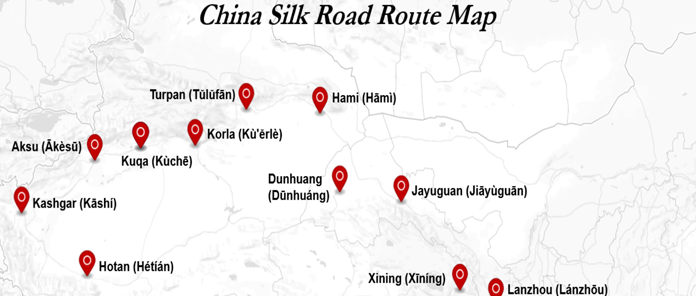
Discover our recommended bespoke China rail itineraries on the Silk Road and in Hulunbeier China. Our journeys suit travelers who value time, privacy, and flawless logistics. Visit our website to see our exclusive route maps and suite details. [Train of Glamour]
FAQs: Your Quick Guide to China Travel
Is it safe for a foreigner to travel alone, especially a woman, in China in 2026?
Yes, China is generally considered extremely safe, with low rates of violent crime. The biggest risks are petty theft and common scams. Always follow basic safety rules, use licensed transport (like Didi), and have your hotel address written in Chinese.
Can I use Alipay or WeChat without a Chinese bank account?
Yes. Both Alipay and WeChat now allow foreigners to link international credit cards (Visa/Mastercard) to their payment systems. You must do the identity verification and card linking, preferably before you travel.
Are there any regions on the Silk Road where special travel permits are still required?
Yes. While major cities like Dunhuang Gansu are generally open, areas closer to certain borders often do. We recommend coordinating with a specialized tour provider to ensure all necessary permits for sensitive regions are secured in advance. This prevents unexpected travel delays and ensures you remain in full compliance with local regulations.
How can I manage luggage when Travelling through China by train?
On high-speed trains, allowance is limited to 20/ kg. If you have a large suitcase, you must use the consignment service (sending luggage on a different train). Our premium services include dedicated luggage handling to eliminate this complexity entirely.
Which provinces are covered by the new 240-hour visa-free transit policy?
The policy now covers 24 provinces, including major hubs like Beijing, Shanghai, and regions like Gansu Province. This allows far greater flexibility for short, multi-city tours without a full visa.