




Silk Road Restaurant Guide: Best Dining Stops Along the Silk Road Express Route
Food tells you where you are better than any guidebook. Architecture can be rebuilt over time. Languages fade across generations. But what people cook and eat stays close to the truth. The Silk Road Express route passes through some of the most distinct food cultures in Asia.
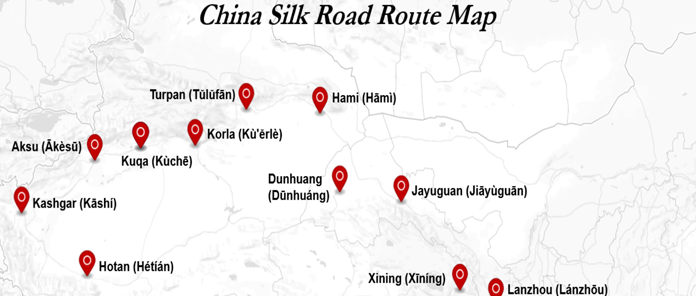
Each city has its own ingredients, its own techniques, and its own history on the plate. From Kashgar's Uyghur markets to Dunhuang's Gansu noodle shops, the flavors shift constantly as you move east. This guide tells you what to eat, where to find it, and what makes each stop worth slowing down for.
What Is a Silk Road Restaurant Experience?
A Silk Road restaurant is not one single thing. It is a moving mix of cultures built along the trade route over two thousand years. Central Asian traders brought lamb cooking techniques, bread-baking methods, and rice pilaf traditions. Chinese dynasties introduced noodle culture and important spice routes. Tibetan and Mongolian herders contributed dairy products and meat preservation methods.
Muslim communities shaped the halal food culture across the western part of the route. The result is a food landscape that does not fit into any single category. You will find Persian-influenced rice dishes sitting next to Chinese noodle stalls. You will eat bread baked in the same style as it was a thousand years ago. The Silk Road restaurant experience is, at its core, about this layering of influences.
Food Experience on the Silk Road Express Journey
The Silk Road Express has a world-class restaurant car on board. Passengers can enjoy gourmet meals crafted using locally sourced ingredients throughout the journey. Onboard dining includes both Chinese and Western menu options for travelers. Passengers can also have afternoon tea or drinks in the bar carriage. Cultural lectures are offered in the bar carriage during transit stretches.
The most interesting food choices happen off the train at each city stop. Each stop offers something the dining car simply cannot replicate. The smell of charcoal, the sound of a busy market, and freshly cooked food all matter. Food cooked by people whose families have made the same dish for generations is irreplaceable. Use the train for comfort and convenience during transit.
Best Silk Road Restaurant Stops by City
Kashgar
Kashgar is the food center of the western Silk Road. The city is full of small Uyghur restaurants serving local dishes. The food has a strong Central Asian influence, not typical Chinese. You will find lamb, flatbread, hand-pulled noodles, and dishes rich in cumin.
Areas around Id Kah Square are known for authentic Xinjiang Muslim food with bold flavors and large portions. The Sunday Bazaar is the best place to start. It is one of the largest markets in the region. You can find local food, dried fruits, and Silk Road specialties at lower prices compared to other cities.
What to eat in Kashgar:
Laghman: Hand-pulled noodles served with lamb, tomatoes, peppers, and garlic. Noodle makers artistically pull dough balls into continuously thinner ropes by hand. It is almost as much fun to watch the preparation as it is to eat.
Polo: Rice pilaf cooked in lamb broth with carrots and onion. Uyghur polo is the most popular local dish in all of Xinjiang. You can request this dish simply by saying "polo" to the server.
Samsa: Lamb and onion stuffed into dough and baked until the outside is crisp. These also make great snacks to bring on a bus or train.
Lamb Kebabs: Rilled over charcoal with a cumin and pepper spice mixture. The spice mix used by Uyghur cooks makes these kebabs genuinely remarkable.
Dapanji: A hearty chicken stew cooked with potatoes, noodles, and mixed spices. Local restaurants in Kashgar do this dish particularly well.
For a sit-down meal, the streets near the Seman Hotel area are a strong option. This is a lively district to begin your culinary adventure in the city. Uyghur restaurants here serve mutton kebabs, naan bread stew, Uyghur rice, and fresh noodles.
Hami
Hami offers a simpler, more local food experience than Kashgar. The food is basic, filling, and built around Xinjiang flavors. The city is known for its Hami melon, which is very sweet due to the long hours of sunlight. It is best bought fresh from roadside stalls.
For meals, try Dapanji, a popular dish with chicken, potatoes, and noodles. Lamb skewers are common, especially in the evening. Other local foods include naan bread, rice dishes, and fresh fruit. Aletun Ancient Street is a good place to explore local food, with small restaurants and stalls offering regional specialties.
Dunhuang
Dunhuang sits in Gansu Province, and the food shifts noticeably here. There is less Uyghur influence and more Hui Muslim and Gansu Han Chinese cooking. Influences from Uyghur, Hui, and Han communities all blend into the local dishes. These dishes are built for warmth, energy, and long storage in the desert climate. What you eat here tastes like history.
What to eat in Dunhuang
Grilled Lamb Skewers: Cooked over charcoal with coarse salt, cumin, and dried chili. The meat comes from local Gansu sheep that are lean but very flavorful. Eat them hot and straight off the grill. They cool fast in the dry desert air.
Nang Bread: Thick, round, flatbread baked inside a clay oven. It is crispy on the outside and chewy on the inside. No yeast is used, just flour, water, and salt. Locals break it by hand and dip it into stew or wrap it around grilled meat. Buy it warm from morning stalls near the old town.
Hand-Pulled Noodles: It is made with alkaline water for extra chew and texture. These are pulled quietly in small kitchens across the city.
Yangrou Paomo: Lamb stew served with crumbled nang bread soaked into the broth. This is a longtime local staple dish that visitors consistently enjoy.
Dried Fruit: Dunhuang grows small yellow dates, locally known as huangzao. These are sun-dried on rooftops every autumn and are intensely sweet. You will also find dried apricots, local figs, and goji berries at market stalls. These were once standard caravan food on the ancient trade route.
After dinner, head to the bustling Shazhou Night Market for local snacks and specialties. Do not miss the local food stalls on the eastern end of the market. Arrive before 7 pm to avoid the larger tour groups that come later.
For a more local experience, Xiaoxian Street is a narrow lane behind Shazhou Night Market. Locals come here to eat after work every evening. The stalls open from 5 pm and accept cash only, with no English signs.
Xining
Xining is the capital of Qinghai and a gateway to Tibet. The food here is different from that in other Silk Road cities. It mixes Hui Muslim cooking with Tibetan flavors. One unique drink is Tibetan butter tea, made with tea, yak butter, and salt. It has a strong and unusual taste, so it is worth trying once.
Yak meat is common in Xining. You can find it in stews, dried form, or on skewers. It has a richer flavor than beef. Local restaurants also serve hand-pulled noodles in clear lamb broth, which feels lighter than Xinjiang-style dishes. Shuijing Xiang Market is a good place to explore local food, with stalls offering noodles, flatbread, and tea.
Must-Try Foods on the Silk Road Route
These dishes appear across multiple city stops on the route. Try each one at least once during your Silk Road Express journey.
Lamb Dishes: Lamb is the central protein of the entire Silk Road route. It appears grilled, stewed, slow-cooked in pilaf, stuffed into bread, and served in broth. The flavor comes from herb-fed sheep raised freely on open grassland prairies.
Hand-Pulled Noodles: These are found at every city stop along the entire route. Laghman noodles originated in the Hexi Corridor, which is the throat of the Silk Road. People from the Hexi Corridor carried this noodle tradition west with them over generations. This stretchy and saucy dish has fueled Silk Road travelers for many centuries.
Kebabs: Kebabs are available at every single city stop on the route. The spice mix and meat fat ratio changes noticeably between different locations. Kashgar uses heavier cumin in its kebab spice blend. Dunhuang uses more dried chili for a different kind of heat. Both versions are worth eating hot and straight off the charcoal grill.
Naan Bread: Uyghur bread comes in many different shapes and sizes. Varieties include thin flatbread and thick bagel-like rounds baked in clay ovens. It serves as a plate, a utensil, and a staple carbohydrate all at once during meals.
Dairy and Dried Fruit: Yogurt, dried apricots, raisins, and local dates appear at every market stop along the route. They were caravan food for a very practical reason. They travel well, keep without refrigeration, and provide real sustained energy.
Local Restaurants vs. Train Dining
Both options are important and serve different purposes. Local restaurants give you the real food experience of each city. The dishes are authentic, made with local ingredients, and usually cheaper. Smaller places may not have English menus, so it is easier to point and order what others are eating.
Train dining is about comfort. After a long day, a proper meal on the train feels easy and relaxing. The Silk Road Express offers curated meals and local-style dishes. The best approach is simple. Eat local food at city stops and use train dining for convenience.
Tips for Dining on the Silk Road
Try local dishes first at every stop before ordering anything familiar or safe.
Carry cash in small denominations for market stalls and small local restaurants.
Eat at street stalls and night markets rather than just hotel restaurants.
Most of the western route is Muslim, so pork is simply not on the menu.
Get to the bakery stalls by 8 am to buy fresh naan before it sells out completely.
Sit down and take your time with meals at local teahouses and restaurants.
Do not rush through meals, as food in this region is genuinely social.
Conclusion
The Silk Road Express route is not just about travel. It is also about food. Each stop offers something different. Kashgar brings Central Asian flavors. Hami adds simple regional dishes and fresh fruit. Dunhuang offers street food and noodles. Xining completes the journey with Tibetan and plateau cuisine. The train connects the route. The food completes the experience.
FAQs
What is a Silk Road restaurant?
A Silk Road restaurant is any local place along the route that serves regional food. The cuisine is influenced by Uyghur, Hui Muslim, Tibetan, and Central Asian traditions. It can be a small street stall or a proper restaurant.
What food is popular on the Silk Road?
Common foods include lamb kebabs, hand-pulled noodles, rice dishes, naan bread, and dried fruits. Lamb is the most common ingredient across the route. You will find it in different forms in every city.
Where to eat on the Silk Road Express route?
Kashgar is best for Uyghur food. Hami is known for local Xinjiang dishes and fresh melon. Dunhuang offers noodles and night markets. Xining is ideal for Qinghai-style Muslim and Tibetan cuisine.