




China Tourism on the Silk Road: What to See, Do, and Experience
China tourism is no longer limited to big cities like Beijing or Shanghai. More travelers are now exploring deeper routes that offer culture, history, and unique landscapes. One of the most powerful ways to experience this is through the Silk Road. The Silk Road is more than just a historic route. It is a journey across deserts, ancient cities, and diverse cultures that still exist today.
In this guide, you will explore what to see, what to do, and how to travel across the Silk Road in China. You will also understand why journeys like the Silk Road Express are becoming a preferred way to experience it.
What Is the Silk Road in China Tourism?
The Silk Road was a historic network of trade routes that linked China with Central Asia, the Middle East, and Europe. For centuries, merchants used this path to transport goods like silk, spices, and precious materials across continents.
Beyond trade, it became a bridge between cultures. Religions, languages, and ideas moved along the same routes. This constant exchange shaped civilizations and created a rich cultural mix across regions.
In modern Chinese tourism, the Silk Road has become a major travel theme. Tourists explore these routes to experience history and culture in real settings. Areas like Xinjiang, Gansu, and Qinghai now attract visitors for both heritage and natural landscapes.
Where Does the Silk Road Route Pass in China?
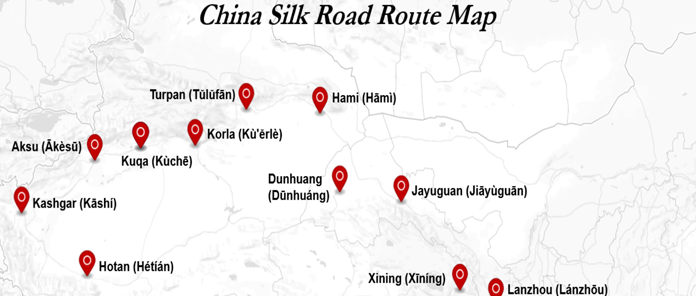
The Silk Road runs across the northwest, covering large and diverse regions within China. It forms a long corridor connecting ancient cities, deserts, and mountain regions.
Xinjiang stands at the western edge and serves as a gateway to Central Asia. Cities like Kashgar reflect deep cultural roots, while the region offers a mix of deserts and high mountains.
Moving east, Gansu acts as a central passage. It connects the different parts of the route and includes key historical sites such as Dunhuang. Qinghai adds another dimension with its lakes and high-altitude scenery, making the journey more diverse.
Travelers need to understand this route’s importance before going. Distances are vast, and each region offers a different experience. Proper planning helps cover key destinations without missing the essence of the Silk Road.
Top Places to Visit on the Silk Road in China
Many top places are worth seeing on the Silk Road in China. Check some of the top names here.
Kashgar
Kashgar is one of the most important cities on the Silk Road. It still holds the feeling of an old trading hub where cultures meet. The old city is full of narrow streets, traditional houses, and local life that has not changed much.
The markets are the main highlight. You can see local crafts, food, and daily trade happening just as they did in the past. It is a place where traditions are still alive and visible.
Dunhuang
Dunhuang is known for its deep historical importance. It was a key stop for travelers and traders moving along the Silk Road. The city connects history with unique natural landscapes. The Mogao Caves are the main attraction. These caves hold ancient art and stories from centuries ago. Along with that, the surrounding desert landscapes create a strong visual experience unlike any other place.
Turpan
Turpan is one of the hottest and driest places in China. It sits in a desert region and has a unique environment that shapes its culture and history. The city is known for its ancient ruins. These include old settlements and structures that show how people lived and survived in extreme conditions. It gives a clear view of life on the Silk Road in earlier times.
Urumqi
Urumqi is the modern gateway to the Silk Road in China. It is the capital of Xinjiang and serves as the main entry point for travelers. The city offers museums and bazaars that reflect both history and modern life. You can learn about regional culture while also enjoying a more developed urban experience.
Qinghai Region
The Qinghai region adds a different side to the Silk Road journey. It is known more for its natural beauty than for its historic cities. You will find vast lakes and expansive landscapes, and high-altitude scenery. The environment feels calm and expansive, offering a break from the busy cultural sites. It completes the Silk Road experience by bringing nature into it.
What to Do on a Silk Road Journey in China
There are many ways to explore during your Silk Road journey.
Explore Ancient Cities
Walking through ancient cities is one of the most important parts of a Silk Road journey. These places still reflect how trade and daily life once worked. Narrow streets, old buildings, and local architecture give a strong sense of history. Local markets add more depth to the experience. You can see handmade crafts, traditional products, and daily trading activities. It feels like stepping into a living version of the Silk Road.
Experience Desert Landscapes
The Silk Road passes through some of the most unique desert regions in the world. These landscapes are wide, open, and visually powerful. You will see dunes stretching across the horizon and unusual geological formations shaped over time. The desert environment offers a different kind of travel experience, one that feels calm and isolated.
Visit Cultural and Religious Sites
Cultural and religious sites are a key part of the journey. They show how beliefs and traditions moved along the Silk Road. You can visit monasteries, cave temples, and other historical locations. These places hold stories from different time periods and reflect the region’s cultural mix.
Enjoy Local Food and Traditions
Food is an important part of understanding any region. On the Silk Road, you experience a mix of flavors influenced by different cultures. Regional cuisines vary from one place to another. This diversity reflects the cultural exchange that happened along the route. It adds another layer to the overall travel experience.
Best Way to Experience China Tourism on the Silk Road
There are various ways to access Silk Road tourism. The choice of route depends on the traveler’s preferences.
● Traveling by air is the fastest way to cover long distances on the Silk Road. It helps you travel between major cities quickly. This isideal for travelers with limited time. However, it offers a limited experience. You miss the landscapes and the gradual transition between regions. The journey becomes only about reaching the destination.
● Road travel gives you more control over your journey. You can stop at different places and explore areas that are not always accessible by other means. But it can be physically demanding. Distances are long, and travel time can take up a large part of your trip. It requires more planning and effort throughout the journey.
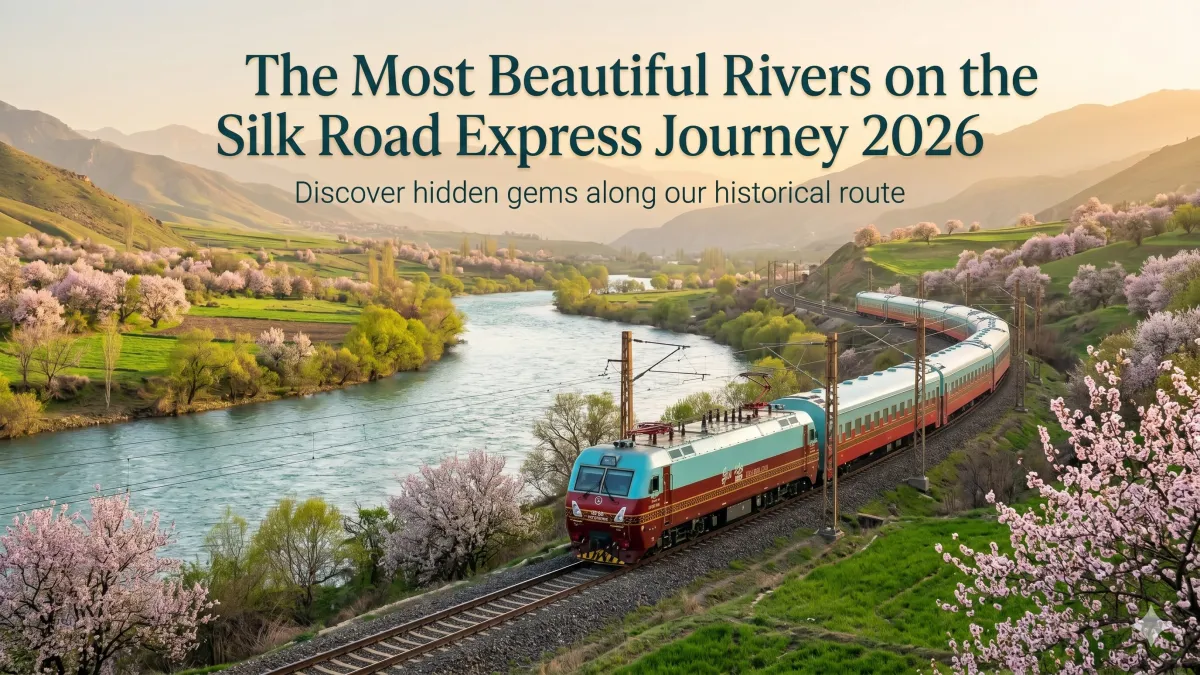
● Luxury train travel offers a balance between comfort and experience. You traverse regions without the hassle of frequent transfers, significantly reducing travel stress. Trains like the Silk Road Express Luxury Routes-Train Of Glamour provide a more immersive journey. You see landscapes, experience culture, and travel comfortably at the same time. This fits the original Silk Road concept where the journey itself mattered.
Silk Road Express Experience Explained
The Silk Road Express is designed to offer a complete travel experience. It combines transport, accommodation, dining, and guided tours into one journey. You do not need to manage different parts separately.
The route covers key Silk Road destinations including Kashgar and Hami, with easy connections to Dunhuang and Qinghai. Each stop is planned to highlight culture, history, and natural landscapes.
Onboard, you get comfortable cabins, restaurant-style dining, and personalized services. The experience is seamless and well-orchestrated. This makes it one of the best ways to explore China’s Silk Road tourism while enjoying both comfort and depth.
Best Time for China Tourism on the Silk Road
The Silk Road covers large regions, so the weather changes from place to place. In general, spring and autumn are the best seasons to visit. These months offer comfortable temperatures and clear skies for travel.
April to June and September to October are considered ideal. During this time, the weather is mild, and the landscapes look more vibrant. It also becomes easier to explore cities, deserts, and high-altitude areas without extreme conditions.
Summer can be very hot, especially in desert regions like Turpan and Dunhuang. Winters are cold, particularly in Xinjiang and Qinghai. Planning your trip by season helps you enjoy the journey without weather-related challenges.
Conclusion
The Silk Road remains one of the most important parts of China’s tourism. It brings together history, culture, and natural landscapes in one journey. From ancient cities to vast deserts and mountain regions, the experience feels complete and unique. It is not just about visiting places. It is about understanding how these regions connect.
Traveling on routes like the Silk Road Express makes the journey even smoother and more immersive. It allows you to experience everything without stress. Some journeys are not about reaching faster. They are about experiencing every moment.
FAQs
What is the Silk Road in China tourism?
The Silk Road was a historic trade route connecting China with other regions. Today, it is a major tourism route where travelers explore culture, history, and landscapes across regions such as Xinjiang, Gansu, and Qinghai.
Which cities are part of Silk Road China tourism?
Major cities include Kashgar, Urumqi, Turpan, and Dunhuang. These places reflect the history, culture, and geography of the Silk Road.
What is the best way to travel the Silk Road in China?
The best way depends on your travel style. Flights are fast, road trips offer flexibility, and luxury trains like the Silk Road Express offer a comfortable, immersive experience.