




Is It Safe to Travel to China? A Practical Guide for Western Travelers
China often feels unknown before it feels understood. For many Western travelers, safety questions come before curiosity. News reports shape first impressions, while real travel stories stay harder to find. This gap creates doubt during travel planning. Understanding what daily life looks like on the ground helps more than headlines ever can. This guide focuses on practical safety, real experiences, and what visitors actually face while travelling in China today. The aim is simple. Help you plan with confidence and clear expectations.
Why Many Western Travelers Are Asking This Question Now
More Western travelers are looking at China again. Years of uncertainty kept many people away. Travel plans were put on hold due to many political, geological, and regional issues. Now, China is one of the most visited countries in Asia. So, travelers want clear and honest answers before booking.
Media coverage shapes many concerns. News stories often focus on politics and tension. They rarely show daily life. This creates a gap between reports and reality. Travelers who visit China describe quiet streets and organised cities. People go to work, shop, and travel as usual.
Many safety worries come from unfamiliarity. New systems, language barriers, and different customs feel intimidating at first. These feelings often get mistaken for danger. In reality, most travelers face confusion, not risk. Once visitors learn how things work, they feel more comfortable and confident.
The Current Safety Situation in China for Tourists
China maintains a strong level of public safety. Authorities keep crime rates low. Serious crimes against tourists are very rare. Police patrol public spaces and transport hubs. Their presence helps maintain order.
Major cities like Beijing, Shanghai, and Xi'an offer safe, well-managed environments. Public transport runs smoothly. Streets stay busy and well-lit, even at night. Tourists move around freely without fear. Smaller towns and remote regions feel quieter and slower. Local communities often look out for visitors and offer help.
China presents a low risk of violent crime. Firearms are strictly controlled. Street violence remains uncommon. Tourists usually face minor challenges, such as language barriers or navigation issues, not safety threats. With basic planning and awareness, most visitors travel comfortably. Many Western travelers feel safer in China than they expected after arrival.
Personal Safety for Western Travelers
China offers a calm and well-managed environment for visitors. Daily life follows clear routines and public order. This helps many Western travelers feel comfortable soon after arrival.
Street Safety and Daily Life
China feels safe for daily movement. People walk alone without concern. Locals do this at all hours, including early mornings and late evenings. Tourists can do the same in most areas.
Public behaviour stays calm and orderly. People follow rules in public spaces. Loud arguments and street trouble are rare. This creates a sense of relaxation, even in busy cities.
Cities remain active at night. Streets stay well-lit. Shops and restaurants stay open. Public transport runs late. Walking at night in city centres feels normal and safe.
Scams and Tourist Awareness
Most visitors do not face serious scams. Small misunderstandings happen more often than deliberate tricks. Language gaps confuse prices, directions, or payments.
Tourists can avoid issues by using official transport and booking tickets through trusted platforms. Clear communication helps. Asking hotel staff for advice works well. Staying polite and aware is enough. There is no need to feel nervous or suspicious while exploring.
Health, Hygiene, and Medical Care in China
China has strong medical systems in major cities. Large hospitals offer modern facilities and trained doctors. Many hospitals have international clinics staffed by English-speaking doctors. This makes care easier for foreign visitors.
Travel insurance is important. It helps cover treatment costs and gives peace of mind. Most hospitals ask for payment before treatment if you do not have insurance. Having coverage avoids stress in emergencies.
Pharmacies are easy to find. They operate in cities and towns. You can buy basic medicine without trouble. Hotel staff often help explain symptoms or guide visitors to the right place.
Transportation Safety in China
China runs one of the most reliable transport networks in the world. Safety rules are strict. Systems operate with clear checks and controls.
Domestic Flights and Rail Travel
Domestic flights follow high safety standards. Airports use strong security checks. Flights run on time in most cases. Delays are managed in an orderly way.
Rail travel is very dependable. Trains leave and arrive as scheduled. Stations stay clean and well-organised. Security checks are routine but smooth. Travelers move through stations without pressure.
Long Distance and Scenic Rail Routes
Trains are one of the safest ways to travel in China. Routes are well-maintained. Staff monitor operations closely. Accidents are rare.
Long-distance and scenic trains offer controlled environments. Cabins stay calm and comfortable. Movement feels steady and secure. Many travelers prefer trains because they reduce stress and allow for a more relaxed journey over long distances.
Cultural Awareness and Respect as a Safety Factor
Cultural awareness helps travelers feel comfortable and avoid problems. Simple understanding goes a long way. It reduces confusion and builds positive interaction.
Respect matters at religious and cultural sites. Visitors should dress modestly in temples and monasteries. Quiet behaviour is expected. Photography rules vary by location. Some places allow photos. Others do not. Signs usually explain this clearly.
Polite behaviour leads to smoother experiences. A calm tone and patience help in daily situations. Locals respond well to respectful visitors. This creates trust and makes travel feel easier and safer.
Is Western Media Perception Different From Reality
Many travelers feel surprised after arriving in China. The country often feels safer than they expected. Streets feel calm. Public spaces feel organised. Daily life moves smoothly.
Media stories often focus on politics or tension. Daily life feels very different on the ground. People focus on work, family, and routine. Visitors rarely feel involved in political issues.
Travelers often share similar feedback after visiting. They describe China as orderly, friendly, and secure. Many say they felt comfortable walking alone and using public transport. Firsthand experience often changes earlier concerns and builds confidence about travelling in China.
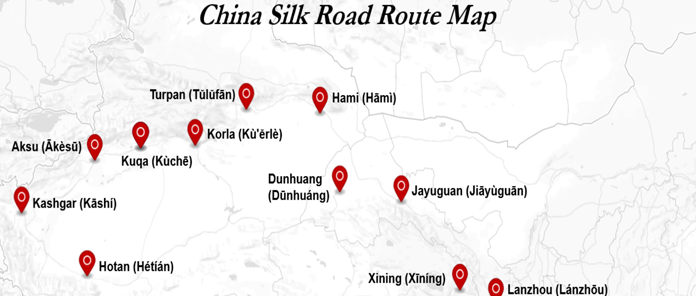
Travel to Western China, Qinghai, Gansu, and Dunhuang
Western China feels calm and open. These regions see fewer crowds than major cities. The pace of life feels slower and more relaxed. Travelers often feel at ease here.
Local hospitality stands out. People show curiosity and kindness toward visitors. Encounters feel genuine and unhurried. This creates a welcoming atmosphere.
Cultural regions often feel safer than large cities. Streets stay quiet. Traffic feels lighter. Daily life follows clear routines. For many travelers, this brings peace of mind and a strong sense of comfort.
Silk Road Express Train: A Low-Stress Way to Explore China Safely
The Silk Road Express offers a structured way to explore China’s multiple top rated locations. It suits travelers who want clarity, comfort, and cultural depth. The experience removes many common travel worries.
Why Curated Rail Travel Reduces Travel Risk
Curated rail travel follows a clear plan. Guides manage access to sites. Transfers happen on schedule. Accommodations are arranged in advance.
Travelers do not need to manage complex logistics. There is no need to book local transport each day. Language concerns stay limited. This lowers stress and reduces the chances of confusion.
Cultural Routes vs Independent Travel
Cultural routes offer safe access to important heritage sites. Monasteries, caves, and museums follow clear visiting rules. Guides explain customs and local expectations.
This approach works well for first-time Western travelers. It builds confidence while allowing deep cultural learning. travelers stay focused on the experience rather than on logistics.
Practical Safety Tips for First-Time Visitors to China
●Keep your passport, visa, and travel documents secure
●Carry digital copies of important documents on your phone
●Register your travel details with your hotel when required
●Download useful apps before arrival (Like Maps, Translator, etc..)
●Use maps, translation, and transport apps for daily movement
●Set up mobile payments if possible, or carry enough cash
●Get a local SIM or roaming plan for constant connection
●Save hotel addresses in Chinese on your phone
●Follow local advice through hotel staff or official notices
Who Should Feel Confident Travelling to China Now
Culture-focused travelers often feel comfortable in China. The country offers a clear structure and strong public order. Museums, monasteries, and heritage sites feel well managed.
Slow travelers and rail travelers also fit well. China rewards patience and curiosity. Trains run on time. Long journeys feel calm and predictable.
Travelers who prefer organised yet meaningful experiences feel at ease. Planned routes reduce uncertainty. Guided access helps with understanding and comfort.
Final Thoughts: Is China Safe to Visit Right Now?
China today feels orderly, calm, and predictable for most visitors. Serious safety risks remain low. Daily life runs smoothly. Transport works well. Cultural awareness matters more than caution. travelers who prepare, stay respectful, and keep an open mind usually have smooth experiences. China suits those who value structure, culture, and thoughtful travel. For Western travelers asking if it is safe to travel to China now, the answer is clear. With the right mindset and planning, it is.
FAQs
Is it safe to travel to China as a Western tourist?
Yes. China has low crime rates and strong public order. Most visitors feel safe walking, using transport, and exploring cities and cultural regions.
What safety issues do travelers face most often in China?
The most common issues involve language barriers or unfamiliar systems. Serious crime against tourists is very rare.
Do I need to take special precautions when travelling in China?
Basic awareness is enough. Keep documents secure, follow local rules, and use official transport and services.
Is China safe for solo Western travelers?
Yes. China is generally safe for solo Western travelers. Public spaces feel orderly, violent crime is rare, and transport systems are reliable. Most challenges involve language or unfamiliar systems, not personal safety.