




The Modern Silk Road Map: How to Travel the Ancient Trade Route in Ultra-Luxury (2026 Edition)
You’ve seen the history books. You’ve seen the old Silk Road Map with the dotted lines. You picture camels, dust, and months of walking.
That map is history.
The modern map looks very different. It follows the same path, but the experience has changed completely. The dust has been replaced by marble. The camels are now private luxury suites.
You don't need to rough it to see the ancient world. You can trace the steps of Marco Polo with a glass of champagne in your hand.
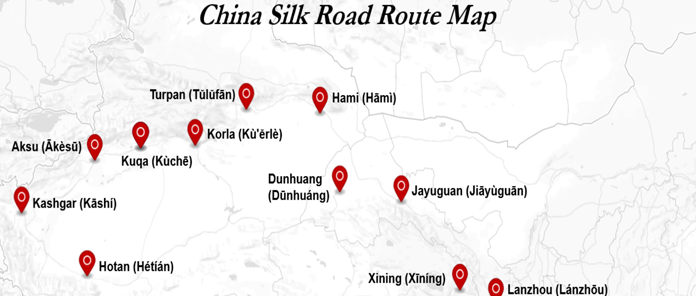
This is your guide to the 2026 edition of the route. We are redrawing the lines. We are showing you how to navigate the Ancient Trade Route without hardship.
The Old Map vs. The New Map
Let's look at the contrast.
The Ancient Map:
●Transport: Camels and horses.
●Speed: 30 kilometers a day.
●Accommodation: Roadside inns (Caravanserai).
●Risk: Bandits and sandstorms.
The Ultra-Luxury Map (2026):
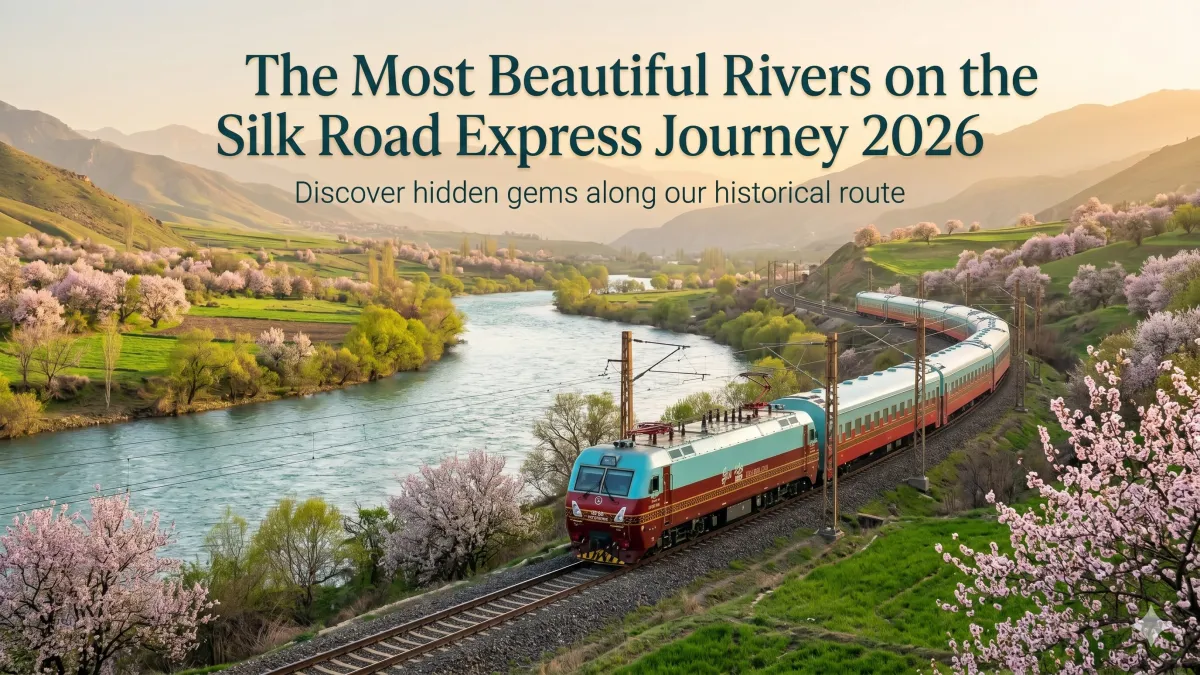
●Transport: The Silk Road Express luxury train.
●Speed: Smooth, effortless cruising.
●Accommodation: 5-star ensuite cabins.
●Risk: None. Just curated peace.
On the new map, the "hard" parts of the journey are gone. The "Dead Zone" of the desert is now just a scenic view from your panoramic window. You don't fight the geography. You watch it slide by.
Step 1: Xining – The Modern Gateway
Your journey doesn't start in a tent. It starts in Xining, the capital of Qinghai province.
On the old map, this was a crucial supply stop. On the modern map, it is the center of Tibetan culture in the East.
The Ta'er Monastery(Kumbum Monastery)
You can’t visit Xining without seeing this. It is one of the six great monasteries of the Gelug school of Tibetan Buddhism.
It isn't just a museum. It is alive. You will see monks debating in the courtyards. You will smell the yak butter lamps burning in the halls.
●The Luxury Difference: While the visiting route is the same, the experience is not. Guided by senior interpreters who have lived and worked at Kumbum Monastery for many years, you gain context, stories, and insights that most group tours simply pass by.
●The Culture: This is where the Silk Road meets the high plateau. The architecture changes. The faces change. It sets the tone for the adventure west.
Step 2: The Hexi Corridor – A Rolling Hotel
This is where the magic happens.
West of Xining, you enter the Hexi Corridor. Look at your Silk Road Map. It is that long, narrow neck of land squeezed between mountains and desert.
For centuries, this was the only safe way to the West.
The Train Journey
Forget flying. You can't see the corridor from 30,000 feet. You need to be on the ground.
Our luxury train turns this transit into the destination.
●270° Views: You don't just look out a small porthole. The dining cars and suites feature massive windows. You eat a 5-star dinner while the Qilian Mountains drift past.
●The Landscape: You see the transition. Green turns to yellow. Yellow turns to red. The snow-capped peaks are always there, guiding you west.
●The Comfort: You unpack once. Your room moves with you. There is no "domestic flight fatigue." You sleep in fresh sheets and wake up in a new era of history.
Step 3: Dunhuang – The Desert Oasis
The end of the corridor brings you to Dunhuang. This is the star of the map. In 2026, Dunhuang is no longer a dusty outpost. It is a world-class destination.
Mogao Caves(Mogan Gottoes) VIP Access:
We have talked about this before, but it bears repeating. The Mogao Caves are the reason you come here.
The standard map gives you a general ticket. The luxury map gives you a key.
You don't wait in the sun. You enter through a VIP channel. You visit special caves that are closed to the general public. You see the art that is too fragile for the masses.
Desert Glamping Vibes:
You want to feel the desert, not sleep in the sand.
We arrange experiences that capture the romance of the dunes without the grit. Imagine a private dinner set up near the Mingsha Shan (Singing Sand Dunes).
The sun sets. The sand turns purple. You are drinking wine on a white tablecloth. This is how you "do" the desert in the 21st century.
Conclusion:
The Silk Road is not just for backpackers. It is not just for history professors.
It is for anyone who loves beauty.
The new map is easy to read. It connects the dots between culture, comfort, and history. You don't have to choose between adventure and luxury. You can have both.
Don't let the old stories scare you. The path is paved. The train is waiting. The map is ready for you.
Travel Recommendations:
Are you ready to trace the route? You need the right guide. You need a partner who understands the new map.
Train of Glamour: Travel Without Compromise
We have mapped out every mile. From the temples of Xining to the caves of Dunhuang. Download our Interactive 2026 Silk Road Map today. See the route. Pick your suite. Start the journey today with us. Check out here.
FAQs:
Does the luxury train follow the exact ancient Silk Road Map?
Yes, remarkably close. The modern rail lines were built along the same geographic corridor (the Hexi Corridor) because it is the flattest path through the mountains. You are seeing the exact same views as the ancient caravans.
Is Xining safe for foreign travelers?
Absolutely. Xining is a modern, safe city. It is a fascinating mix of cultures. Our guides ensure you navigate the city and the Ta'er Monastery(Kumbum Monastery) with total ease.
How long does the train take to cross the Hexi Corridor?
On our itinerary, we take our time. We turn a 10-hour transit into a multi-day cruise. This allows for stops, sleep, and sightseeing without rushing.
Can I see the Silk Road Map sites in winter?
Yes. The route is open year-round. Winter offers stark, beautiful scenery (snow on the dunes) and fewer crowds at popular spots like Mogao.
What is "Ultra-Luxury" on a train in China?
It means ensuite bathrooms, 24-hour butler service, fine dining with local ingredients, and private transfers. It matches the standards of a 5-star hotel, but on rails.