




Dunhuang: The Ultimate Travel Guide to the Silk Road's Crown Jewel
Dunhuang is more than just a geographical location—it is a living miracle of human civilization. As a dazzling jewel on the ancient Silk Road, Dunhuang witnessed the profound collision and integration of Eastern and Western cultures. From its breathtaking repositories of Buddhist art to the lonely, magnificent wonders of the Gobi Desert, Dunhuang possesses a timeless allure that captivates every traveler.
This comprehensive guide provides the most authoritative and up-to-date information for planning your epic 2026 Silk Road journey.
Where is Dunhuang?
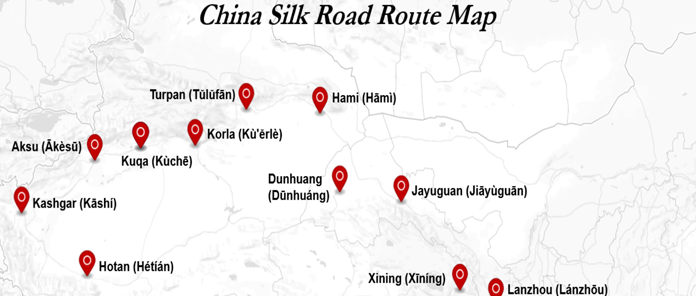
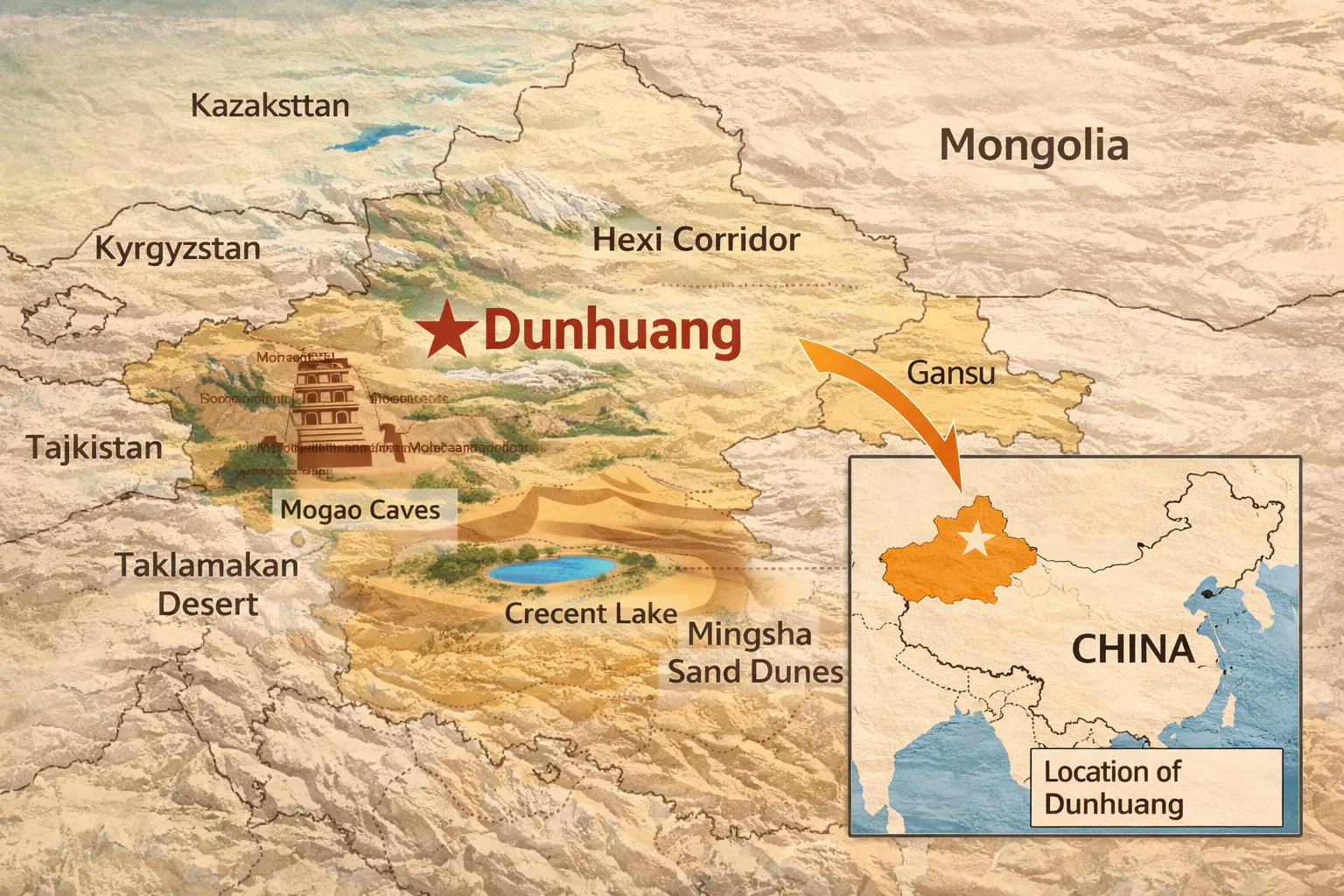
Dunhuang is a county-level city located in the northwestern part of China, administered by Jiuquan City, Gansu Province. Geographically, it sits at the westernmost tip of the famous Hexi Corridor, near the intersection of Gansu, Qinghai, and Xinjiang provinces. Surrounded by the vast Gobi Desert and the edge of the Taklamakan Desert, Dunhuang has historically served as the "throat" or vital gateway connecting the Central Plains of China to the Western Regions (Central Asia and Europe).
The History & Culture of Dunhuang
The history of Dunhuang is essentially the history of Silk Road exchanges.
The Crossroads of Civilizations: Renowned scholars have noted that Dunhuang is the only place in the world where the four major cultural systems—Chinese, Indian, Greek, and Islamic—converged.
The Pinnacle of Buddhist Art: Following the opening of the Silk Road during the Han Dynasty, Buddhism entered China via Dunhuang. This left behind the Mogao Caves (a UNESCO World Heritage Site since 1987), the largest and most richly endowed treasury of Buddhist art in the world.
The Home of Frontier Poetry: Ancient Chinese border forts like Yumen Pass and Yangguan Pass inspired countless famous Tang Dynasty poems, cementing Dunhuang’s legacy as a symbol of frontier bravery and isolation.
Weather in Dunhuang
According to data from the World Bank Climate Change Knowledge Portal, Dunhuang resides in one of the most arid regions of the Gobi, with annual precipitation often falling below 40mm.
Dunhuang experiences a typical warm temperate arid continental climate, characterized by extreme conditions:
Extreme Dryness: Annual rainfall is incredibly low, making the air exceptionally dry.
Drastic Temperature Swings: The diurnal temperature variation (difference between day and night) is massive. Even in summer, the desert nights can be quite chilly.
Strong Sunlight: UV rays are intense, with clear, sunny skies dominating the year.
Spring (Mar–May): Temperatures rise, but this is the peak season for wind and sandstorms.
Summer (Jun–Aug): Days are scorching, with highs reaching up to 40°C (104°F). However, due to the low humidity, it feels less oppressive than tropical heat.
Autumn (Sep–Oct): The absolute best weather—cool, crisp, and comfortable.
Winter (Nov–Feb): Cold and dry, with temperatures often dropping below freezing, but skies remain brilliantly blue and tourist crowds vanish.
Top Attractions in Dunhuang
Mogao Caves (Caves of the Thousand Buddhas): The soul of Dunhuang. This site preserves 735 caves, 45,000 square meters of murals, and over 2,000 painted sculptures.
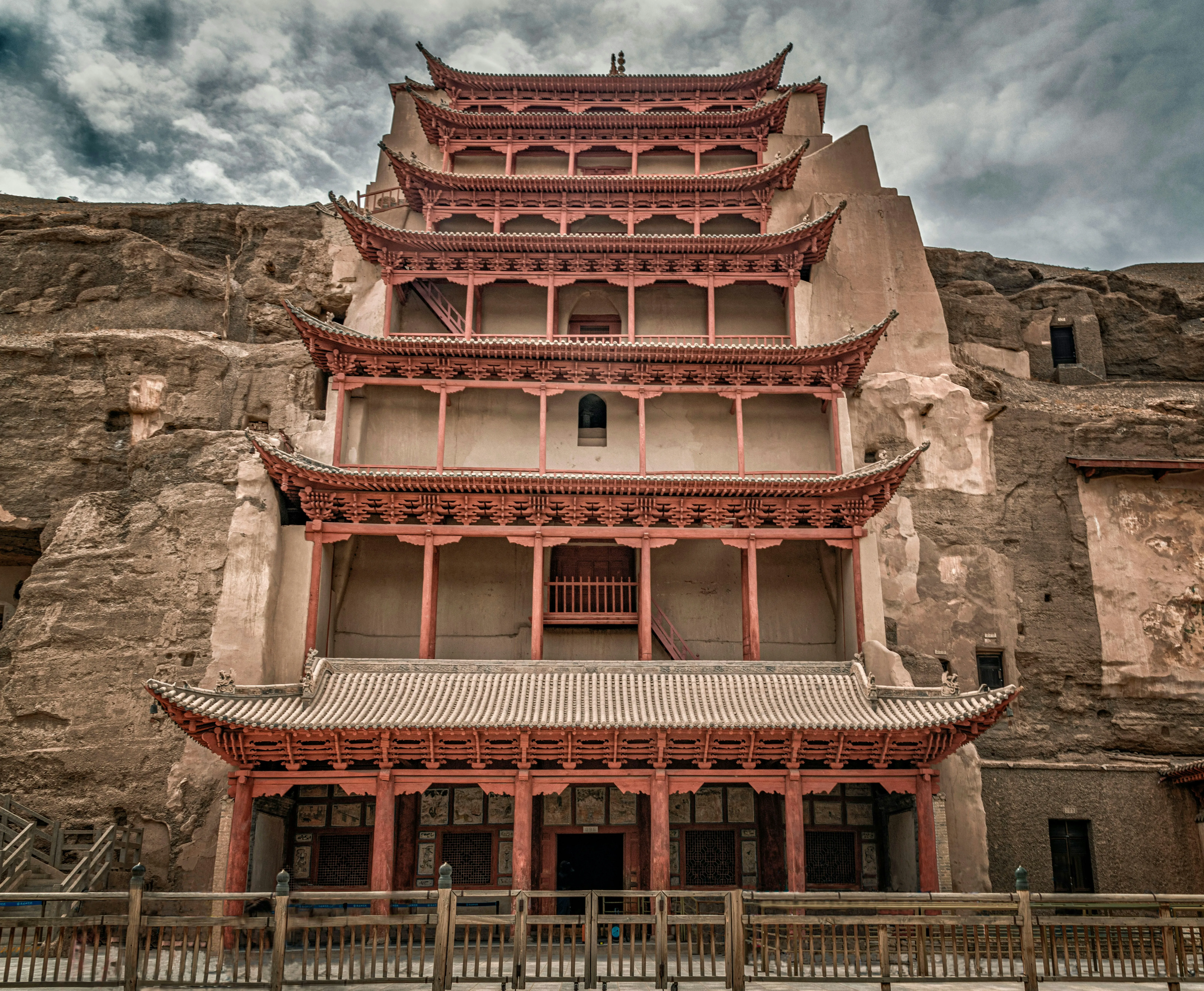
·Travel Expert Tip: Access is strictly controlled to protect the artifacts. During peak season, you must book your "A-Ticket" exactly 30 days in advance via the official mini-program. This ticket includes two digital movies and a guided tour of 8 caves.
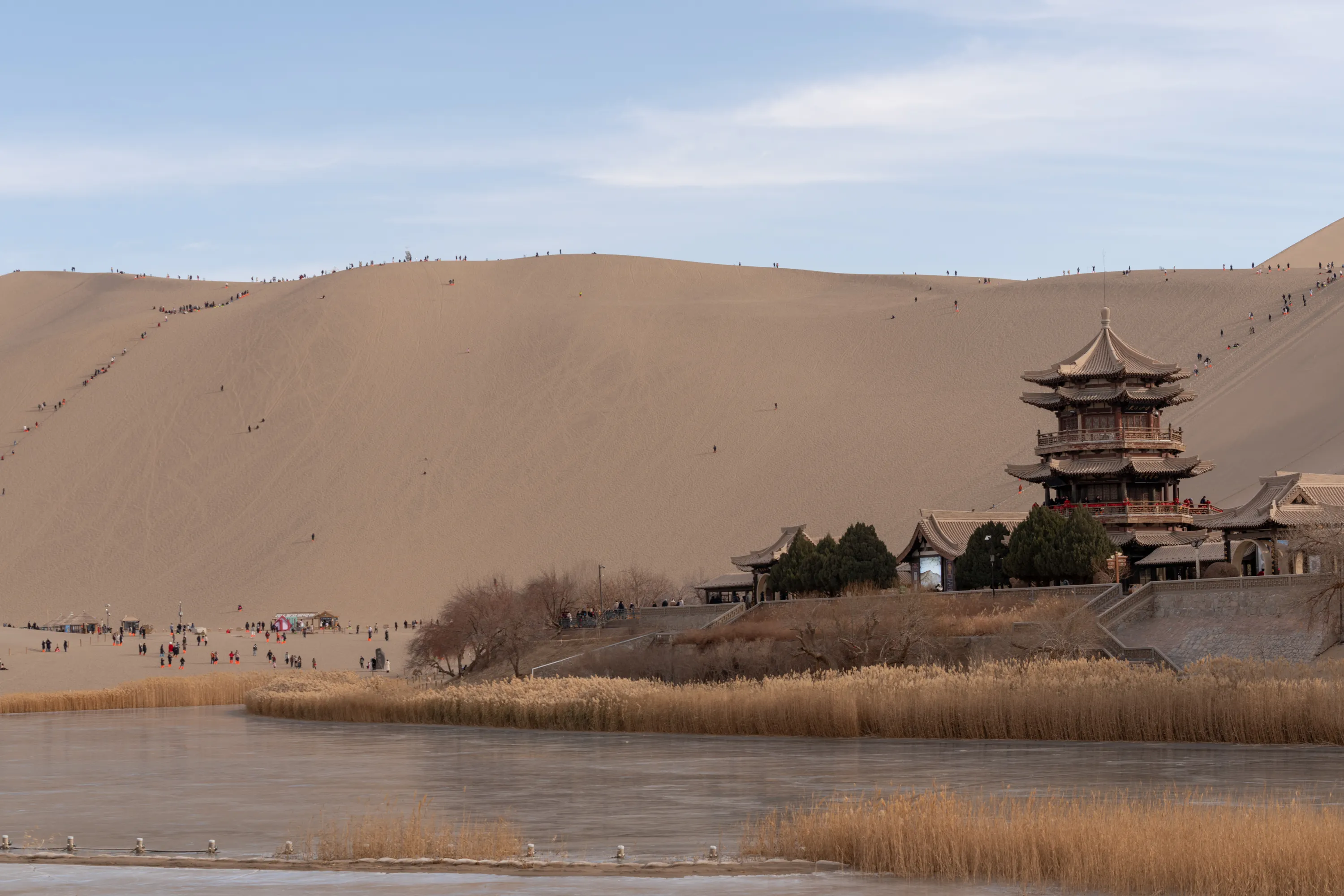
Mingsha Mountain & Crescent Lake (Singing Sand Dunes): A miraculous desert oasis where a crescent-shaped spring has survived surrounded by massive sand dunes for millennia. Best experienced at sunset on a camel ride.
Yumen Pass & Yangguan Pass: Located on the distant western route, these ruined Han Dynasty garrison gates offer a profound sense of historical isolation in the Gobi Desert.
Yadan National Geopark ("Devil City"): Located past Yumen Pass, this wind-eroded landscape features bizarre rock formations that look like a martian surface, especially dramatic at sunset.
Encore Dunhuang (Immersive Show): A highly recommended theatrical performance where the audience "walks through" the stages, experiencing 2,000 years of Dunhuang’s history in a deeply immersive way.
What to Eat & Drink
Dunhuang's cuisine blends rugged Northwestern Chinese flavors with diverse Silk Road influences:
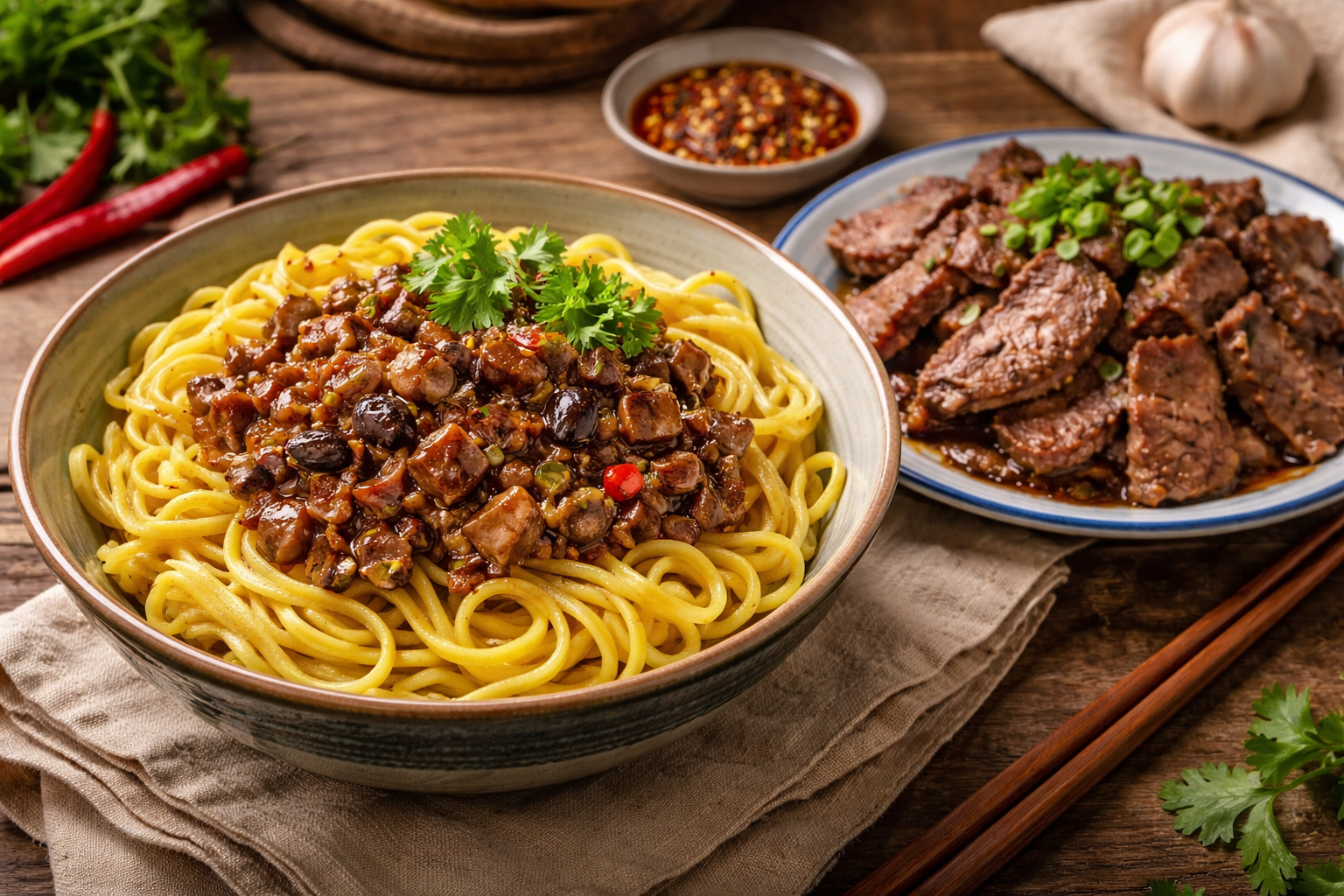
Donkey Meat Yellow Noodles (Lürou Huangmian): The city's signature dish. Chewy, hand-pulled yellow noodles are topped with a rich mushroom-based sauce and served alongside a plate of tender, braised donkey meat.
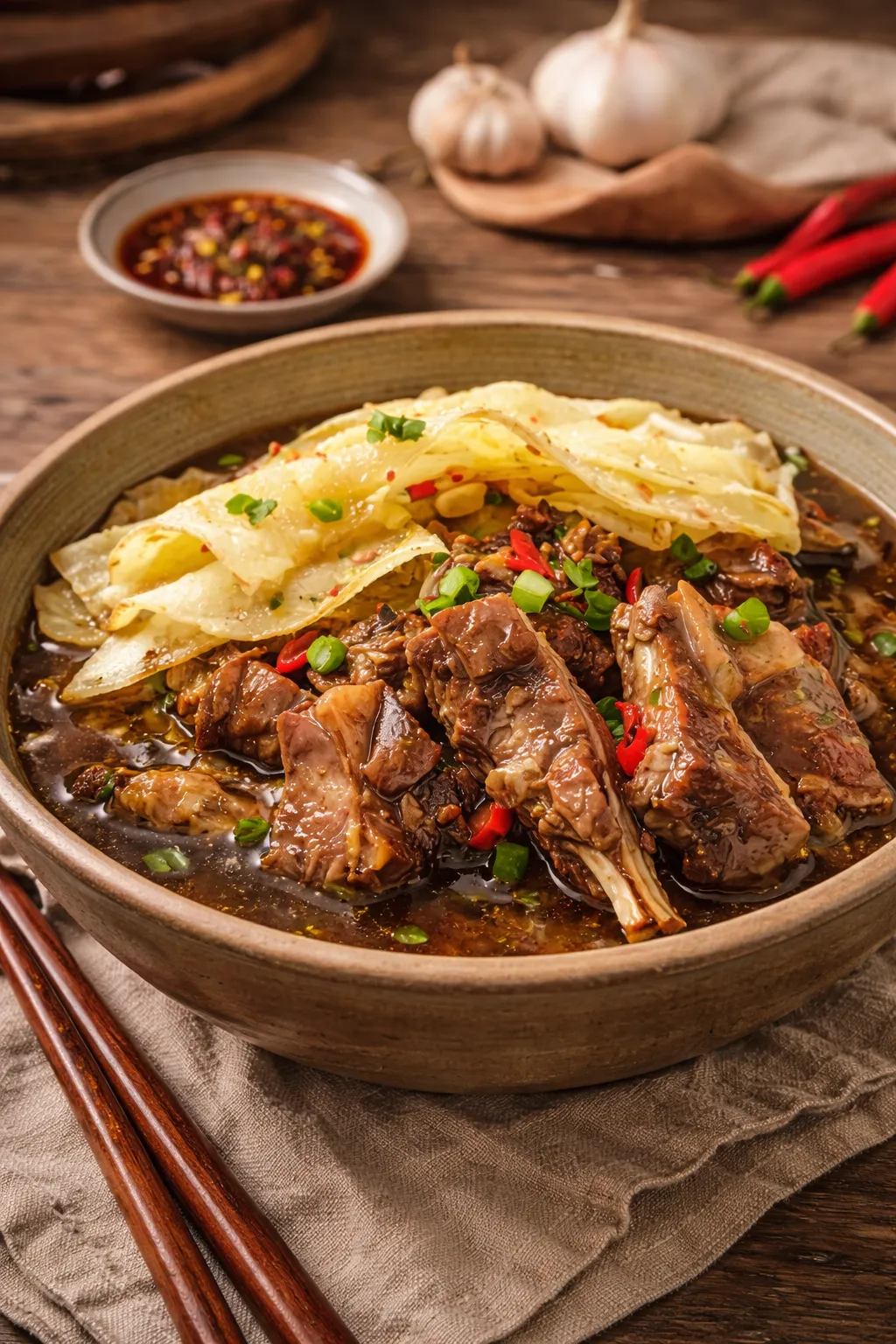
Braised Mutton with Crusty Pancake (Hu Yang Men Bing): A historic Silk Road dish featuring tender lamb chops braised in a savory broth, topped with thin layers of flatbread that soak up all the rich flavors.
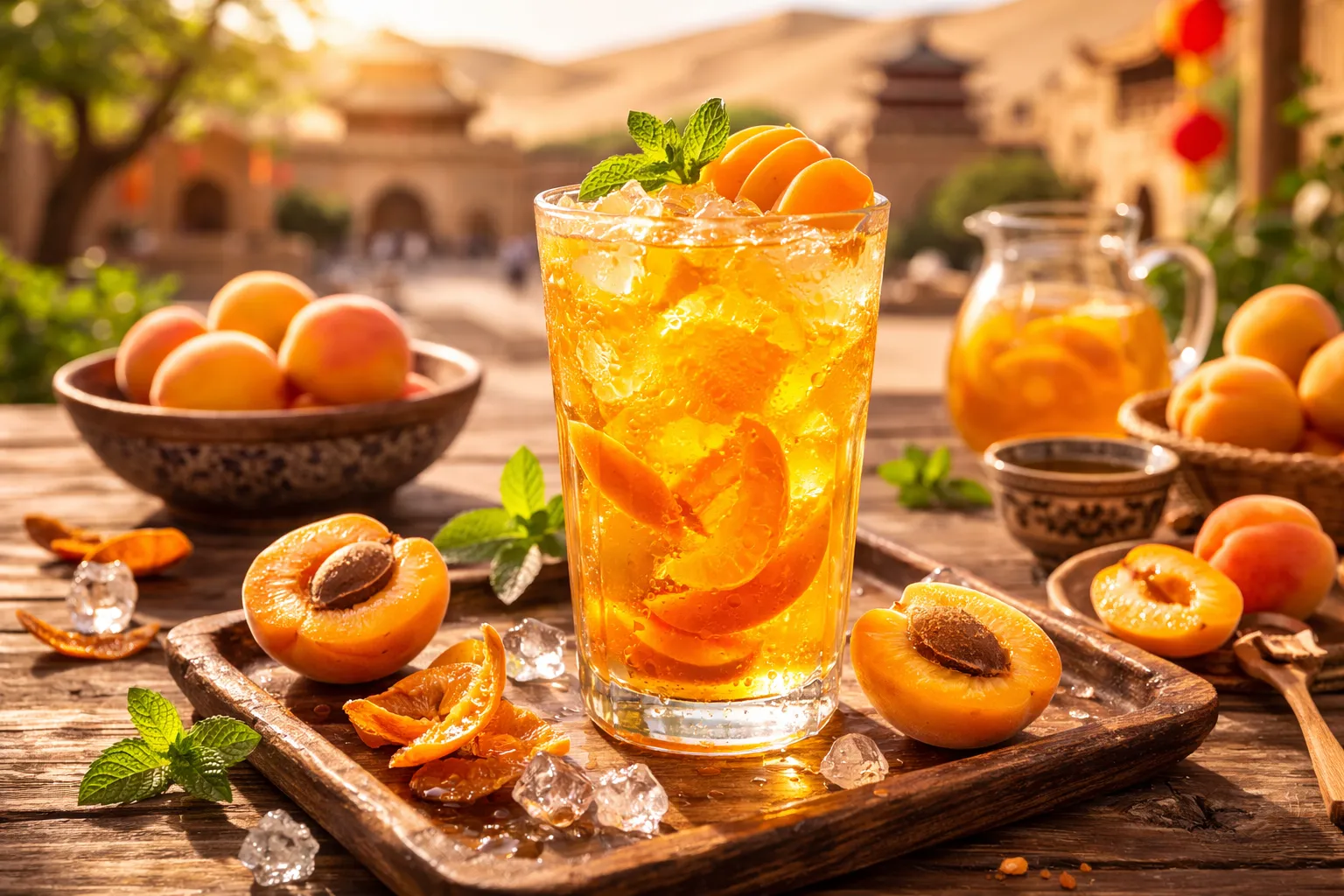
Apricot Peel Water (Xing Pi Shui): The "national drink" of Dunhuang. Made from local Li Guang apricots, this sweet and sour iced beverage is the ultimate thirst-quencher in the desert.
Shazhou Night Market: The bustling heart of Dunhuang after dark. It's the perfect spot to try Red Willow Lamb Skewers, local snacks, and a cold "Dunhuang Beer."
Best Time to Visit
Peak Season (September – October): The absolute best time to visit. You avoid the summer heat and spring sandstorms, enjoying crisp air and golden autumn foliage (especially the desert poplars).
Shoulder Season (May – August): Very popular, though hot. This is the best time to enjoy the region's famous sweet fruits like melons, grapes, and apricots.
The "Secret" Cultural Season (November – April): Highly recommended for deep culture lovers. Despite the cold, the Mogao Caves are practically empty. Tickets are often half-price, and visitors are usually allowed to see 12 caves instead of 8, with guides having more time to explain the intricate details.
How to Get to Dunhuang
By Air: Dunhuang Mogao International Airport (DNH) is only 15 minutes from the city center, offering direct flights from major cities like Beijing, Shanghai, Xi'an, Lanzhou, and Chengdu.
By Train: High-speed trains stop at Liuyuan South Station (about a 2-hour drive to Dunhuang city). Dunhuang Station is closer but mostly serves standard overnight trains and choose bullet trains from Lanzhou or Xining.
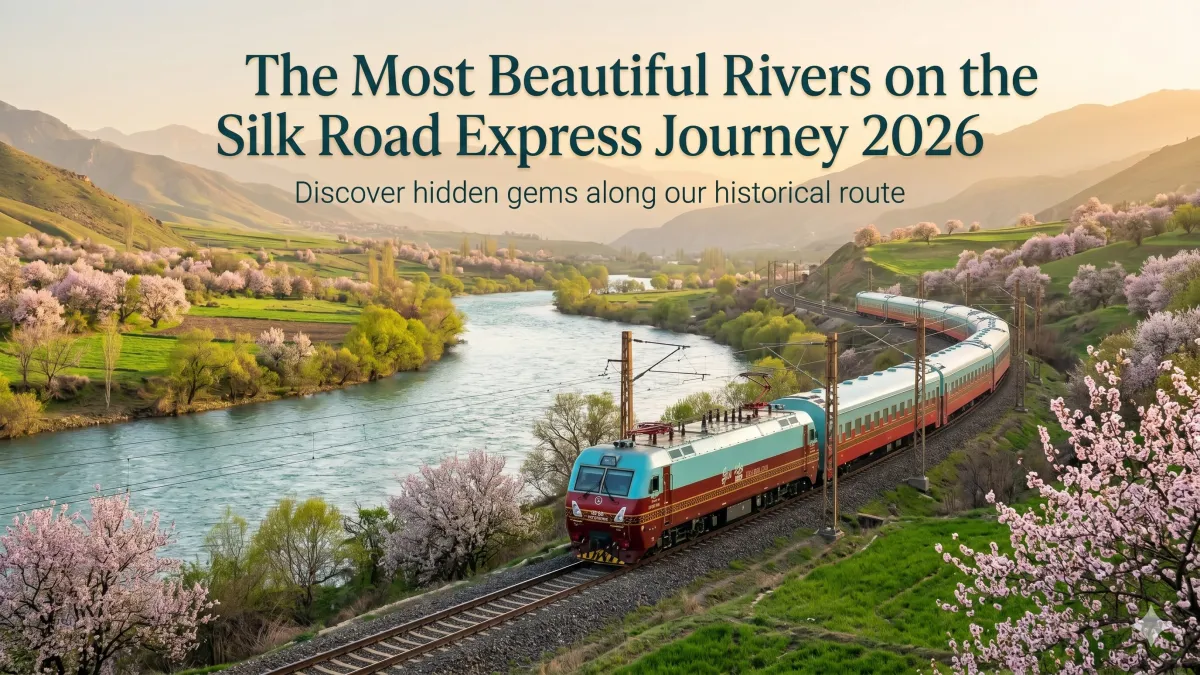
By Luxury Train: The most elegant way to arrive is via a curated cultural rail journey, turning the long transit across the Gobi into a premium sightseeing experience.
Ideal Duration
We recommend a 3-Day, 2-Night itinerary to experience Dunhuang comfortably:
Day 1: Arrive, visit Mingsha Mountain & Crescent Lake for sunset, and explore the Shazhou Night Market.
Day 2 (East Route): Spend the morning at the Mogao Caves, visit the Dunhuang Museum in the afternoon, and watch the Encore Dunhuang show at night.
Day 3 (West Route): Take a full-day trip to Dunhuang Ancient City, Yangguan Pass, Yumen Pass, and watch the sunset at the Yadan Devil City before departing.
Travel Costs (Daily Estimates)
Dunhuang caters to all travel styles (excluding major flights/trains):
Budget: $45 – $75 USD / day
(Hostels or economy hotels, shared carpools for the West Route, and enjoying local street food at the night market).
Mid-Range: $115 – $215 USD / day
(4-star boutique hotels, private car hires for tours, sit-down restaurant meals, and tickets for the "Encore Dunhuang" show).
Luxury: $425+ USD / day
(Stays at high-end desert resorts like the Dunhuang Villa or desert glamping, booking exclusive "Special Caves" at Mogao with private expert scholars, and tailored desert stargazing dinners).
Travel with Us: The Silk Road Express
While Dunhuang is magnificent, independent travel here can be challenging. Mogao Cave tickets often sell out in minutes, navigating the vast Gobi involves exhausting bus rides, and looking at ancient murals without a true expert can feel like "reading a book in the dark."
If you desire a seamless, deeply enriching, and luxurious cultural journey, we invite you aboard the Silk Road Express.
VIP Access: We secure your premium Mogao Cave tickets well in advance and provide exclusive, private tours led by seasoned Dunhuang scholars.
A Moving 5-Star Oasis: Why endure bumpy, dry bus rides? Traverse the Gobi Desert from the comfort of a climate-controlled panoramic lounge car. Sip fine wine and retreat to a premium cabin, ensuring you have the energy to fully appreciate the wonders of Dunhuang.
Explore the unknown, touch the ancient civilizations. Your 2026 Dunhuang dream begins here.