




Historic Buddhist Sites Across Qinghai and Gansu Provinces
Qinghai and Gansu sit at the heart of Buddhist history in China. These lands once linked Central Asia with inner China through ancient routes of travel and exchange. Along these paths, monks, traders, and pilgrims carried Buddhist teachings across deserts and high plateaus. Over time, caves were carved, monasteries were built, and sacred landscapes took shape.
Art, belief, and daily life grew together in this region. Today, the Buddhist sites of Qinghai and Gansu tell a long story of faith, culture, and connection. Exploring them helps visitors understand how Buddhism took root and continued to grow across northwest China.
Why Qinghai and Gansu Are Important to Buddhist History
Qinghai and Gansu became Buddhist gateways because of their geography, trade routes, and cultural exchange.
● Qinghai and Gansu are key regions in the history of Buddhism in China
● Their location between Central Asia and Inner China made them natural cultural gateways
● Buddhism spread here through trade routes crossing deserts and mountains
● Monks, traders, and pilgrims helped carry Buddhist teachings and ideas
● Tibetan, Han, Indian, and Central Asian traditions blended in these regions
● This cultural mix appears in cave murals, statues, and temple layouts
● Monasteries and cave temples grew along these routes
● Pilgrimage paths connected sacred sites and remain active today
Major Buddhist Cave Sites in Gansu
Gansu has important Buddhist caves, each with great respect among Buddhist followers.
Mogao Caves, Dunhuang
The Mogao Caves are one of the largest and most important collections of Buddhist art in the world. They were carved into the cliffs near Dunhuang over many centuries. Each cave was created by monks, artists, and patrons who wanted to express their faith through art. Today, the site contains hundreds of caves filled with paintings and sculptures.
The murals inside the caves show stories from the life of Buddha, scenes of daily life, and images of travelers and traders. Many caves also hold statues made from clay and wood. Ancient manus were found here as well. These texts helped scholars understand religion, trade, and culture along the Silk Road.
The Mogao Caves are a UNESCO World Heritage Site. They played a key role in preserving Buddhist art linked to long-distance travel and cultural exchange. The caves show how Buddhism changed as it moved across regions and absorbed local styles. This makes Mogao one of the most valuable historical sites in China.
Kizil Thousand-Buddha Caves
The Kizil Thousand-Buddha Caves are among the earliest Buddhist cave sites in China. They were created before many other famous cave temples. The caves are known for their strong Central Asian influence, which is clear in their colors, figures, and painting style.
The murals at Kizil look different from those in eastern China. The figures have bold outlines and deep colors. Many scenes show Buddhist teachings and stories meant to educate monks and visitors. These caves were used as places for learning, meditation, and worship.
Kizil played an important role in the early spread of Buddhism. It helped shape how Buddhist art and teaching developed before moving further east. The site shows how ideas from India and Central Asia entered China through this region and left a lasting mark on religious art.
Sacred Monasteries of Qinghai
Multiple sacred monasteries are available in this region.
Kumbum Monastery (Ta'er Temple)
Kumbum Monastery is One of the Most Important Buddhist Sites in Qinghai-Luxury Train Travel Stories & Guides-Train Of Glamour is the most important Buddhist monastery in Qinghai. It stands at the birthplace of Je Tsongkhapa, the founder of the Gelug school of Tibetan Buddhism. Because of this, the site was considered sacred even before large buildings were raised around it.
The monastery grew into a major centre of Gelug education. Monks came here to study ure, debate philosophy, practice meditation, and learn religious arts. Many respected teachers in Tibetan Buddhism received their early training at Kumbum. Its role in education shaped religious life across Qinghai and nearby regions.
Kumbum is also known for its unique art. The yak butter sculptures are handcrafted each year and depict flowers, animals, and Buddhist stories. The murals cover temple walls with bright colors and detailed scenes. Barbola art made from clay and flowers adds texture and depth to halls and shrines. These three art forms make the monastery visually rich and culturally important.
Pilgrims travel here from Tibet, Qinghai, Mongolia, and beyond. Many walk the prayer paths around the monastery and offer lamps and prayers. The steady flow of pilgrims keeps the spiritual life of Kumbum active and meaningful.
Other Influential Tibetan Monasteries in Qinghai
Beyond Kumbum, Qinghai is home to many regional Tibetan monasteries. These monasteries may be smaller, but they play a strong role in daily religious life. They serve as places for teaching, meditation, and community gatherings.
Monks in these monasteries help preserve Tibetan Buddhist traditions. They pass down chants, rituals, and texts from one generation to the next. Many also guide local people during festivals, funerals, and seasonal ceremonies.
The connection between monasteries and nearby communities is close. Villagers support the monasteries, and the monasteries guide spiritual life in return. This relationship has helped Tibetan Buddhism remain strong in Qinghai for centuries and continues to shape the region’s cultural identity today.
Buddhism and Cultural Life in the Plateau Regions
Buddhism has shaped daily life across the plateau regions of Qinghai and Gansu for many centuries. Monasteries were not only places of worship. They also served as centers of learning and guidance. Monks taught reading, writing, ethics, and philosophy. Many families sent children to monasteries for education and discipline.
Religious festivals play an important role in local life. Events like prayer gatherings, butter sculpture festivals, and New Year ceremonies bring entire communities together. People offer butter lamps, chant prayers, and walk around monasteries with prayer wheels. These rituals create a shared rhythm of faith and tradition.
Buddhism also influenced local art. Murals, statues, thangka paintings, and sculptures reflect religious stories and beliefs. Many homes and villages still display these symbols. Even today, Buddhist values continue to guide daily life in Qinghai and Gansu, linking the past with the present.
Pilgrimage Routes and Sacred Landscapes
The landscapes of Qinghai and Gansu hold deep spiritual meaning in Buddhism. Mountains, caves, deserts, and monasteries are seen as sacred spaces. Many of these places were chosen because of their quiet surroundings and natural beauty, which support meditation and prayer.
Pilgrims often follow kora traditions. They walk in circles around monasteries, sacred hills, or temples while chanting mantras. This practice is believed to bring blessings and inner peace. Some pilgrims travel on foot for weeks or even months to complete these journeys.
Deserts and high plateaus also carry spiritual value. Their open space and silence encourage reflection. Despite modern travel options, many pilgrims still journey long distances today. Their devotion keeps these sacred routes alive and maintains the spiritual connection between land, belief, and people.
Art and Architecture Across the Regions
Buddhist art in Qinghai and Gansu developed in close connection with the land and its people. In Gansu, cave painting became one of the strongest artistic traditions. Artists painted directly onto rock walls inside caves. These murals show Buddhist stories, daily life, and scenes of travel and devotion. Natural pigments were used, which helped many paintings survive for centuries.
In Qinghai, monastery architecture became the main form of religious expression. Large assembly halls, prayer rooms, and open courtyards were designed to support study and worship. Buildings were placed carefully to match the surrounding landscape and spiritual beliefs.
Both regions show a blend of Tibetan and Chinese styles. Tibetan elements appear in prayer halls, stupas, and symbolic layouts. Chinese influence is visible in roof shapes, wooden beams, and decorative details. Natural materials like stone, clay, wood, and earth were widely used. Every design choice carried meaning and reflected Buddhist values.
How to Visit These Historic Buddhist Sites
Travel and the best means of transport to reach these sites are important factors to consider when you want to visit these historical places.
Traveling Between Qinghai and Gansu
Qinghai and Gansu are connected by long distances and challenging terrain. Mountains, deserts, and plateaus shape the region. Because of this, careful route planning is important. Travel often follows ancient paths that once linked monasteries, caves, and trade centers.
Moving between sites takes time, but the changing scenery adds depth to the experience. Travelers see how geography influenced where temples and caves were built. These routes help explain why Buddhism spread along certain paths and not others.
Transportation Option: Silk Road Express
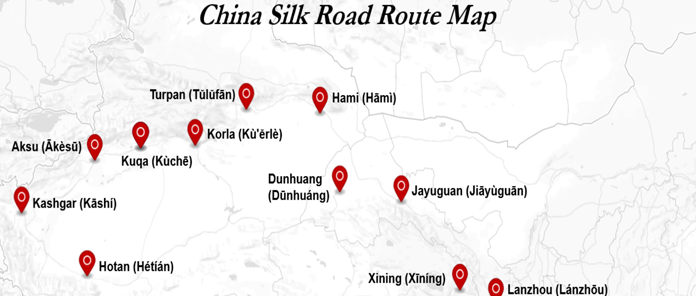
One of the most convenient ways to explore these regions is through the Silk Road Express Luxury Routes-Train Of Glamour This scenic rail route links key locations such as Dunhuang, Golmud, and Xining. It passes through deserts, salt lakes, and highland landscapes that once shaped Buddhist travel.
The journey includes guided cultural access to major Buddhist sites. Travelers receive clear explanations that add meaning to each stop. The train offers comfort while crossing remote areas, which makes it suitable for visitors focused on history and culture. It allows travelers to explore sacred places without the stress of planning complex routes on their own.
Best Time to Explore Buddhist Heritage in Northwest China
The best time to explore Buddhist heritage sites in northwest China is from late spring to early autumn. During these months, the weather is more stable and travel conditions are comfortable. Days are clear, and temperatures are suitable for walking around monasteries and cave sites.
Summer offers long daylight hours, which helps when visiting large cave complexes or monastery grounds. Early mornings and late afternoons are ideal for exploration, especially in desert areas. Autumn brings cooler air and softer light, which makes visits more pleasant and photography easier.
Festival periods are also worth planning around. Events like Tibetan New Year and butter sculpture festivals bring monasteries to life. These times offer a rare chance to see rituals, prayers, and community gatherings that reflect living traditions.
Why These Buddhist Sites Matter Today
These Buddhist sites remain active centers of faith and learning. They are not silent monuments. Monks continue to study, pray, and teach within their walls. Daily rituals and chanting keep spiritual life alive.
Pilgrimage remains strong. People still travel long distances to offer prayers and walk sacred paths. This devotion connects modern life with ancient belief.
These sites also protect cultural knowledge. Art, architecture, and teachings are passed down across generations. Interest from travelers and scholars around the world continues to grow. This global attention helps preserve Buddhist heritage and ensures its meaning endures in the present day.
Conclusion
The historic Buddhist sites of Qinghai and Gansu reveal how belief, art, and landscape shaped one another over centuries. Cave temples, monasteries, and pilgrimage routes show a deep blend of Tibetan, Han, Indian, and Central Asian traditions. These places are still alive with prayer, study, and ritual. They are not only records of the past but active centers of faith today. Visiting these regions offers more than sightseeing. It gives a clear view of Buddhism’s long journey in China and why Qinghai and Gansu remain essential to understanding its spiritual and cultural heritage.
FAQs
Why are Qinghai and Gansu important to Buddhist history in China?
These regions linked Central Asia with inner China and became key gateways for Buddhist teachings, art, and pilgrimage routes.
What are the most famous Buddhist sites in Qinghai and Gansu?
Major sites include the Mogao Caves, Kizil Thousand Buddha Caves, Kumbum Monastery, and many regional Tibetan monasteries.
Are these Buddhist sites still active today?
Yes. Monks still study and pray there, pilgrims visit year-round, and festivals continue to keep traditions alive.