




Why Kumbum Monastery Is One of the Most Important Buddhist Sites in Qinghai
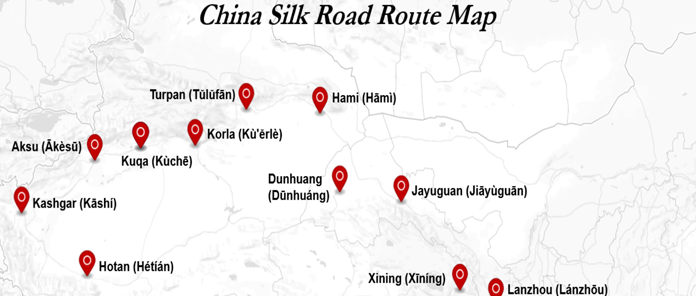
Kumbum Monastery, also called Ta'er Monastery, is one of the most important Buddhist sites in Qinghai. It stands at the birthplace of Je Tsongkhapa, the great teacher who founded the Gelug school of Tibetan Buddhism. The monastery is known for its sacred legends, bright murals, yak butter sculptures, and peaceful courtyards where monks study and pray. Visitors come here to see its long history and living traditions. It is also one of the main cultural stops on the Silk Road Express journey when the train reaches Xining. A visit to this monastery helps travelers understand the region's deep spiritual roots.

Historical Background of Kumbum Monastery
Kumbum Monastery has a long history within Buddhism and holds a central place for many followers. Its founding and story give it special significance in the hearts of those who practice the faith, making it an enduring symbol of devotion and learning.
Founding of the Monastery
Kumbum Monastery was built in 1583 in honor of Je Tsongkhapa, the founder of the Gelug school of Tibetan Buddhism. Tsongkhapa was born in this region, and his teachings shaped the religious life of Qinghai, Tibet, and many parts of Central Asia. The monastery soon became an important place for religious study. Young monks came here to learn ure, engage in debate, practice philosophy, and engage in meditation.
Kumbum grew into one of the most respected monasteries in the Gelug tradition. Its halls, stupas, and training centers made it a key site for Buddhist education in Qinghai. Today, it remains an active place of worship and study, attracting monks, pilgrims, and travelers from across the region.
The Famous Birth-Tree Legend of Tsongkhapa
A well-known story gives Kumbum Monastery an even deeper spiritual meaning. According to local belief, a sandalwood tree grew on the exact spot where a drop of Tsongkhapa's blood fell at his birth. People say the leaves had natural shapes that resembled images of Buddhist figures. Because of this, the site was seen as holy even before the monastery existed.
For centuries, pilgrims traveled long distances to see the tree and pray for blessings. The holy tree became the heart of the monastery's identity. It reminded people of Tsongkhapa's birth and his great role in shaping Tibetan Buddhism. The legend also strengthened the monastery's spiritual influence in Qinghai and helped it become a major center for worship and learning.
 Architectural and Artistic Importance
The monastery's art and architecture reveal the centuries of cultural exchange that shaped this region.
The "Three Great Arts" of Kumbum Monastery
Kumbum Monastery is known for three special art forms, making it one of the most beautiful Buddhist sites in Qinghai. The first is the yak butter sculptures. These sculptures are made completely by hand from yak butter mixed with natural colors. They show flowers, animals, and scenes from Buddhist stories. The work is so fine that each figure looks almost alive. The sculptures melt easily, so artists recreate them every winter with great care and devotion.
The second art form is barbola. This is a type of clay art shaped into flowers, leaves, and symbolic designs. The decorations cover the walls and pillars of the monastery. Each piece is placed by hand, demonstrating the artists' patience and skill. Barbola gives the halls a warm and detailed look that visitors often admire.
The third great art form is the murals. These paintings cover large sections of the monastery and tell stories from the life of Buddha and other important figures. The colors are bright, and the lines are clear. Many murals show scenes from Tibetan beliefs and traditions. Together, the three arts make Kumbum Monastery one of the most artistic monasteries in both Tibet and China.
Layout of the Monastery
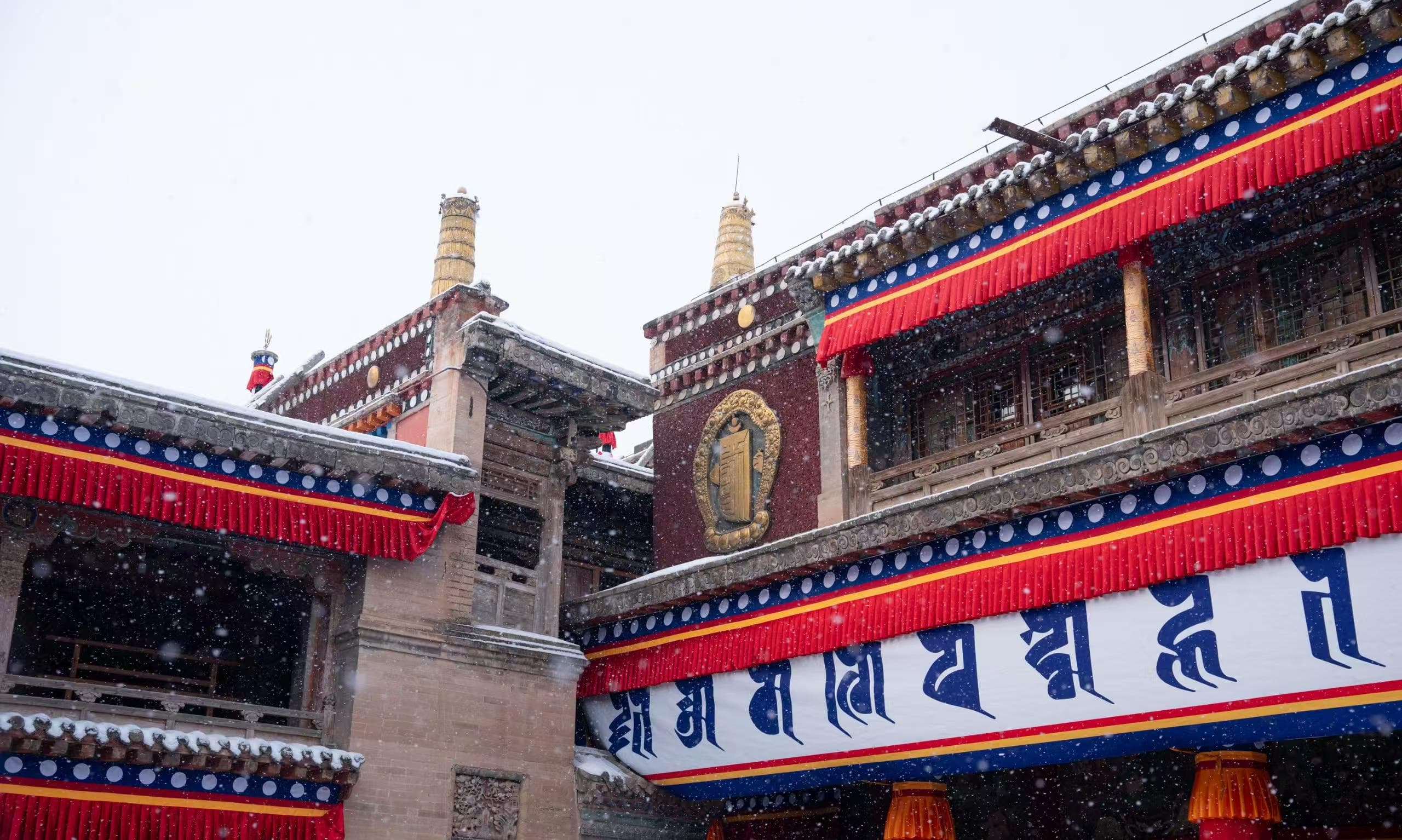
Kumbum Monastery is a large complex comprising many halls, pagodas, ure rooms, and open courtyards. Each part serves a religious or educational purpose. The Golden Roofed Hall is one of the monastery's main buildings and stands at its center. Prayer halls are spread around it, and monks move between them throughout the day.
The architecture blends Tibetan and Chinese styles. Tibetan elements appear in the prayer flags, carved wooden windows, and large incense burners. The Chinese influence is evident in the curved roofs, painted beams, and spacious courtyards. This mix reflects the cultural meeting point of Qinghai, which once stood along important trade paths linked to the Silk Road.
Spiritual and Cultural Role in Qinghai
Qinghai plays a vital spiritual and cultural role for Buddhists.
Center of Learning and Monastic Education
Kumbum Monastery has been an important center of Buddhist learning for many centuries. Thousands of monks have trained here in ure, debate, meditation, and traditional arts. The monastery follows the teachings of the Gelug school and is known for its strong focus on discipline and study. Many respected scholars and teachers began their training in Kumbum before spreading Buddhist teachings across the region.
Its influence reaches far beyond Qinghai. Monks from Gansu, Sichuan, and Tibet often come here to study. The monastery remains one of the most respected places for Buddhist education in western China and continues to guide spiritual life in the surrounding provinces.
Pilgrimage Importance
Kumbum Monastery is also a major pilgrimage destination. People from Tibet, Qinghai, Mongolia, and nearby regions travel here to pray, offer butter lamps, and walk the kora, a circuit around the monastery.
Pilgrims believe that circling the monastery brings blessings, peace, and protection. Many come to honor Je Tsongkhapa and to pay their respects at the sacred birth tree site, which remains an important symbol of faith.
The steady flow of pilgrims adds a feeling of devotion and movement to the monastery. Prayer wheels turning, soft chanting, and the slow pace of pilgrims create an atmosphere of calm and deep spiritual meaning.
Visitor Experience at Kumbum Monastery
What You Will See Inside
The Grand Assembly Hall, where major ceremonies take place
Exhibition rooms that display detailed yak butter sculptures
Colorful murals that tell Buddhist stories
Statues of important Buddhist figures
Daily rituals where monks chant and pray
Quiet courtyards where visitors can walk and reflect
Best Time to Visit
Morning hours offer a calm atmosphere and the chance to watch the monks during early ceremonies.
Festival days such as the Butter Sculpture Festival and Tibetan New Year show the monastery at its most lively
Spring and autumn bring the most pleasant weather with clear skies and mild temperatures.
Winter visits are possible, but the area can be cold, so warm clothing is needed.

How to Visit Kumbum Monastery: Silk Road Express Connection
Kumbum Monastery is one of the main stops on of the Silk Road Express. The train brings travelers to Xining, and from there the tour team arranges a smooth transfer to the monastery. A professional cultural guide leads the visit and explains the history, art, and daily life inside the monastery. This makes the visit easy and comfortable for passengers who want to learn about Tibetan culture without having to plan everything themselves.
The tour also allows time to walk through the main halls, view the famous artworks, and enjoy the peaceful atmosphere. This stop is one of the reasons theSilk Road Express Luxury Routes-Train Of Glamour is considered a complete cultural journey through Qinghai.
Travelers who are not taking the train can also visit Kumbum Monastery on their own. The monastery is about 25 kilometers from central Xining, and the drive usually takes around 40 minutes. You can reach it by taxi or by hiring a private car, both of which are convenient options.
Why Kumbum Monastery Matters Today
It plays a major role in keeping Tibetan Buddhist culture alive in Qinghai
Its teachings help protect old traditions, art styles, and spiritual practices
The monastery acts as a bridge between Tibetan and Han cultures
Its architecture and festivals show how these two traditions blend naturally
It continues to be an important place for learning, with monks trained in ure, debate, art, and meditation
Pilgrims still come from Tibet, Qinghai, Mongolia, and many other regions for blessings
The kora around the monastery brings a strong sense of devotion and peace
It is one of the most respected spiritual sites in northwest China
Its history, art, and legends make it a must-visit destination for travelers

Conclusion
Kumbum Monastery remains one of the most essential spiritual landmarks in Qinghai. Its history, the legend of Tsongkhapa's birth tree, and its famous art forms show how deeply Buddhism shaped this region. The monastery continues to train monks, welcome pilgrims, and preserve traditions that have survived for centuries. Its halls, murals, and peaceful courtyards give visitors a clear picture of Tibetan culture and learning. Travelers on the Silk Road Express can explore it with ease through the guided visit offered on Day 4. Anyone interested in religion, culture, or history will find Kumbum Monastery a meaningful and memorable place to visit.
FAQs About Kumbum Monastery
Why is Kumbum Monastery so important in Tibetan Buddhism?
Kumbum Monastery honors Je Tsongkhapa, the founder of the Gelug school. It is a major center of learning, pilgrimage, and traditional Buddhist arts.
What is the famous "Birth-Tree" legend of Tsongkhapa?
According to local belief, a sandalwood tree grew at the spot where Tsongkhapa's blood fell at birth. Its leaves showed natural images of Buddhist figures, making the site sacred.
Can travelers visit Kumbum Monastery on the Silk Road Express?
Yes, Ta'er Monastery is one of the stops on the travel itinerary.