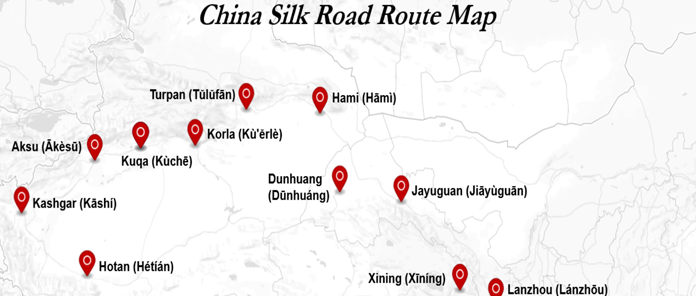





Sunday Bazaar in Kashi(Kashgar): Complete Guide to the Silk Road's Most Famous Market
Most markets sell things. The Sunday Bazaar in Kashi(Kashgar) sells an experience that has not changed much in a thousand years. Traders arrive before sunrise. Animals fill one section. Handmade goods fill another. The smell of lamb on charcoal starts early and continues until the last vendor packs up.
This is not a reconstructed tourist attraction. It is a functioning market that has operated since the Silk Road was the world’s most important trade corridor. This guide covers what the bazaar is, where it sits, what to eat, what to buy, and how to make the most of your visit.
What Is the Sunday Bazaar in Kashi(Kashgar)?
The Sunday Bazaar is a weekly open-air market held every Sunday in Kashi(Kashgar), Xinjiang. It is one of the largest and oldest traditional markets in Central Asia. Thousands of vendors and buyers gather each week from the city, surrounding villages, and remote rural areas.
The market is not a single space. It is a collection of connected sections covering livestock, food, crafts, textiles, tools, and everyday goods. Each section has its own atmosphere and its own crowd. Walking through the full market takes several hours.
Historically, Kashi(Kashgar) was one of the most important cities on the ancient Silk Road. It sat at the junction where the northern and southern branches of the route met before traders continued west into Central Asia. The Sunday Bazaar grew from this trading tradition. Merchants from China, Persia, India, and the Ottoman Empire all passed through Kashi(Kashgar) and traded here.
Where Is the Sunday Bazaar Located?
The Sunday Bazaar is located in the eastern part of Kashi(Kashgar) city in Xinjiang, China. The main livestock market sits at Aizirete Village, a short drive from Kashi(Kashgar) Old City. The craft and goods sections are closer to the city center, near the Id Kah Square area.
Kashi(Kashgar) itself is accessible by air from Urumqi and other major Chinese cities. It is also a stop on the Silk Road Express route, which connects it to the broader Xinjiang rail network. From central Kashi(Kashgar), the bazaar sections are reachable by taxi, local bus, or on foot, depending on which section you are heading to.
The location has shifted slightly over the decades as the city has grown. But the eastern area of Kashi(Kashgar) has remained the market’s home ground for generations.
Why the Sunday Bazaar Was Important on the Silk Road
Kashi(Kashgar)’s position at the crossroads of major trade routes made it one of the most commercially significant cities in Asia for over a thousand years. The Sunday Bazaar was the physical expression of that position.
Silk moved westward through Kashi(Kashgar) toward Persia and beyond. Spices from South Asia passed through on their way to China. Livestock was traded between nomadic herders and settled farmers. Carpets, knives, musical instruments, and handicrafts changed hands between merchants from dozens of different cultures.
The bazaar was also a place of cultural exchange. Languages mixed. Religious ideas spread. Architectural techniques, musical styles, and food traditions traveled along with the goods. The market was never just commercial. It was the point where different worlds met and negotiated.
That function has not entirely disappeared. The Sunday Bazaar today still draws Uyghur, Kyrgyz, Tajik, Han Chinese, and international visitors into the same space. The goods have changed, but the mixing has not.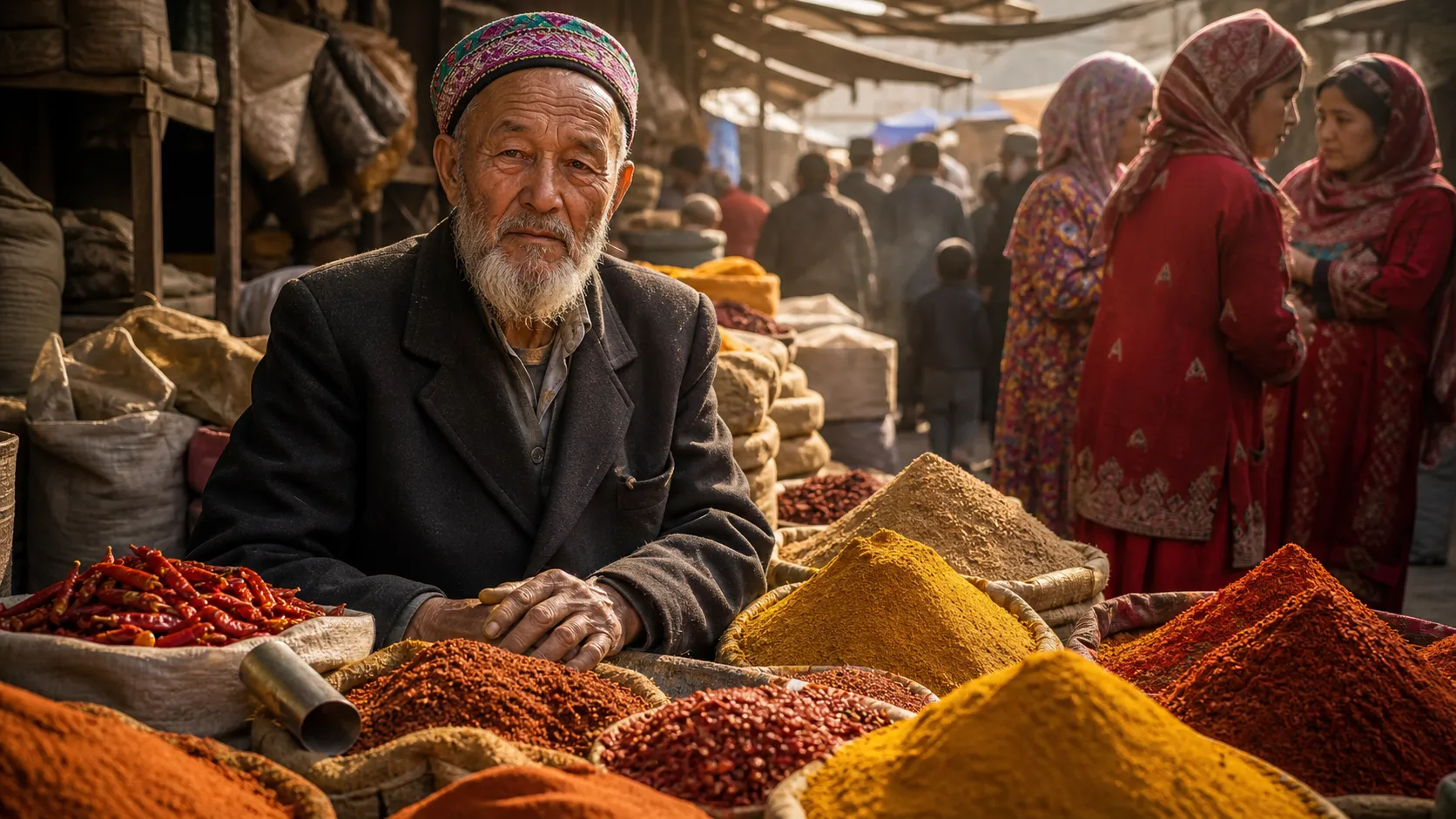
What You Can See at the Sunday Bazaar Today
Traditional Uyghur Market Culture
The most immediate impression of the Sunday Bazaar is the density of traditional Uyghur culture in one space. Vendors wear traditional clothing. Women in bright-colored dresses and head coverings sell dried fruit and spices from open sacks. Older men in embroidered doppa caps sit behind handmade goods, negotiating prices with practiced patience.
The atmosphere is working, not performing. These vendors are not there for tourists. They are there because the Sunday Bazaar is how they sell their goods and connect with their community. That authenticity is what separates this market from tourist-focused shopping areas elsewhere in China.
Livestock Market
The livestock section is one of the most historically continuous parts of the entire Sunday Bazaar experience. Sheep, goats, horses, and cattle are brought from surrounding rural areas every Sunday morning. Herders and buyers examine animals, negotiate prices, and conduct transactions using methods that have changed very little over centuries.
The atmosphere here is loud, physical, and genuinely unlike anything in a modern city. It starts very early in the morning and begins winding down by midday. Arriving before 9 AM gives you the full experience. Afternoon, much of the livestock section has already concluded its trading.
Food and Street Snacks
Food is everywhere at the Sunday Bazaar. Lamb kebabs on charcoal grills line the food sections from early morning. Naan bread comes fresh from clay ovens built into the ground. Hand-pulled laghman noodles are prepared in open kitchens where you can watch the entire process. Dried fruits, including apricots, raisins, figs, and Hami dates, are sold by weight from enormous open sacks.
The food section is not organized into a neat food court. Vendors are scattered throughout the market. Some of the best food is found between sections rather than in dedicated areas.
Local Crafts and Products
The craft sections carry goods that reflect centuries of Uyghur and Central Asian artisan tradition. Hand-knotted carpets in geometric patterns are sold rolled up in rows. Traditional Uyghur knives with decorated handles are displayed openly. Silk and cotton textiles in deep reds, blues, and golds are stacked in bolts. Rawap and duttar musical instruments hang from stall frames alongside embroidered bags and leather goods.
Prices are negotiable across almost all craft and goods sections. Starting at roughly half the asking price and negotiating from there is standard practice and expected.
Best Foods to Try at Kashi(Kashgar) Sunday Bazaar
Uyghur cuisine is Central Asian in character rather than Chinese. It is built around lamb, wheat, and dairy with cumin, dried chili, and coriander as the dominant spices.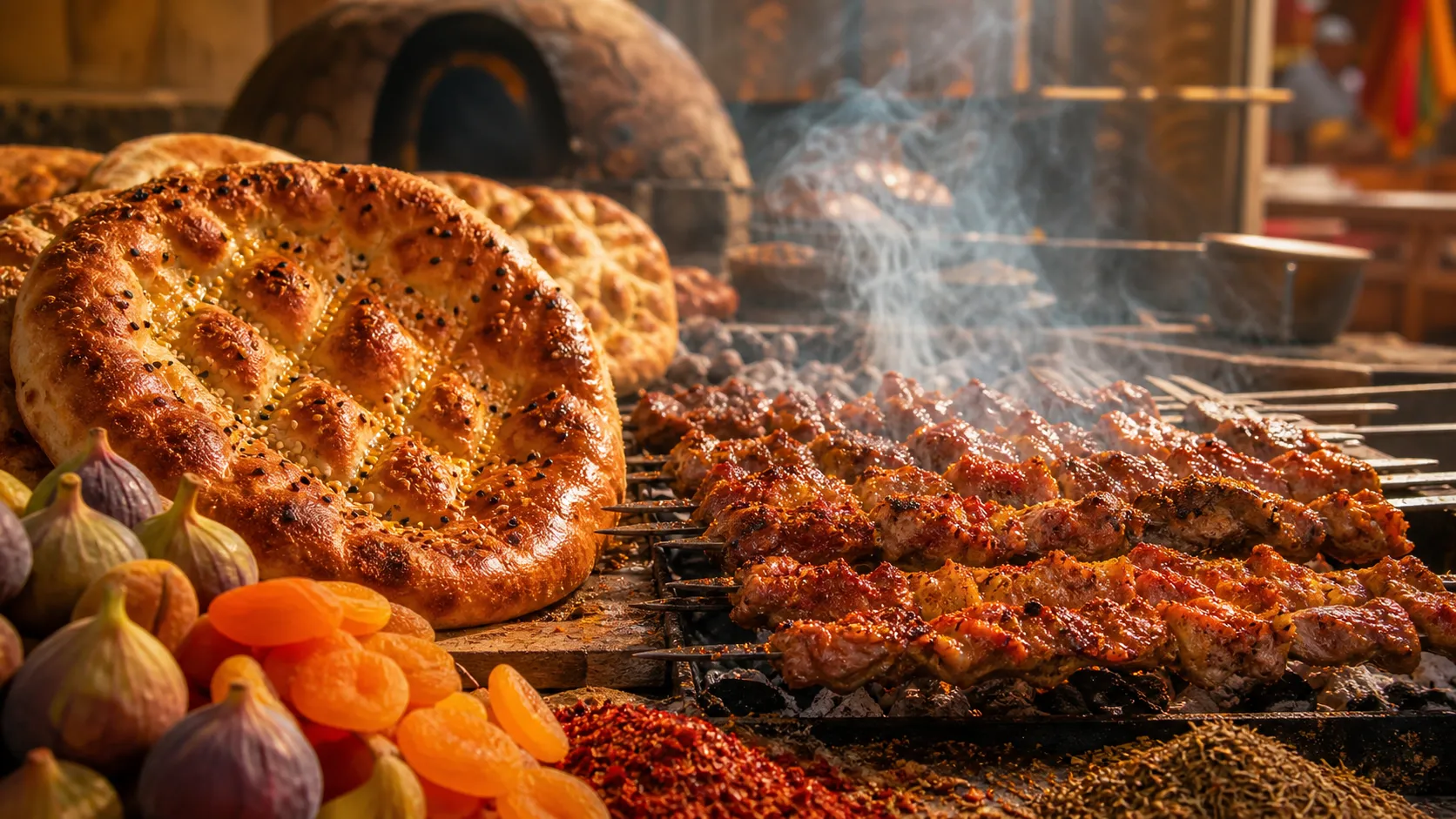
At the Sunday Bazaar, the must-try foods are straightforward. Lamb kebabs grilled over charcoal with heavy cumin are the most iconic snack. Eat them hot and standing up. They cool quickly. Samsa are baked dumplings filled with lamb and onion. They come out of clay ovens in batches and sell fast.
Polo, the Uyghur rice pilaf cooked in lamb broth with carrots and onion, is available at larger food stalls and fills you properly for a long market walk. Naan bread, available in multiple varieties, is available everywhere. The sesame-topped round version is the most common and pairs well with everything.
For something sweet, look for Uyghur ice cream vendors in summer. It is denser than standard ice cream with a natural sweetness from local dairy. Dried apricots and figs from the fruit stalls are the best portable snack for continuing through the market.
Tea is available at small teahouses scattered through the bazaar. Green tea with rock sugar is the standard. Sitting down with a pot of tea mid-morning and watching the market move around you is one of the better ways to spend twenty minutes in Kashi(Kashi(Kashgar)).
Best Time to Visit the Sunday Bazaar
● Visit on Sunday morning. Full market activity runs from 8 AM to noon. The livestock section wraps up first.
● The best seasons are spring and autumn. April to June and September to October offer comfortable temperatures and clear skies.
● Avoid midday in the summer. July and August get very hot. Arrive before 8 AM and finish by 11 AM.
● Winter is quieter. The market still runs, but with fewer vendors and lower energy than in other seasons.
How to Visit the Sunday Bazaar on the Silk Road Express Journey
Kashi(Kashgar) is a major stop on the Silk Road Express route. The city is reached by air from Urumqi or by rail via the Xinjiang network. Most Silk Road Express itineraries include Kashi(Kashgar) as a multi-day stop, giving travelers enough time to visit the Sunday Bazaar properly, the Old City, and other sites.
The Sunday Bazaar fits directly with the Silk Road Express journey. It is not a detour or an add-on. It is a living piece of the same trading culture that defined the Silk Road for over a thousand years. Walking through it after days of desert landscapes, ancient ruins, and mountain views completes the journey in a way that no museum or historical site can replicate.
Plan at least half a day for the bazaar. A full morning from 8 AM to 1 PM covers all sections without rushing.
Travel Tips for Visiting the Sunday Bazaar
Carry Cash: Most vendors do not accept cards or mobile payments. Small bills make negotiation easier.
Arrive Early: The livestock market and freshest food are at their best before 10 AM.
Respect photography etiquette. Ask before pointing a camera at individuals. A nod and a gesture are usually enough.
Wear Comfortable Shoes: The market covers significant ground with uneven surfaces and gravel in many sections.
Bargain on Crafts, not Food: Carpets, knives, and textiles are negotiable. Food prices are fixed and small.
What Makes Kashi(Kashgar) Sunday Bazaar Unique
Very few traditional Silk Road markets still function as genuine trading places rather than tourist performances. The Sunday Bazaar in Kashi(Kashgar) is one of them. It operates because local people need it, not because tourists come to see it.
The Uyghur cultural identity present in the market is strong and consistent. The language, clothing, food, crafts, and trading customs all reflect a culture that has maintained its character despite centuries of political change and pressure to modernize.
The market is also less commercialized than comparable traditional markets elsewhere in Asia. There are tourist-facing stalls, but they are outnumbered by stalls serving local buyers and sellers. The ratio keeps the experience genuine.
Sunday Bazaar vs Modern Markets in China
Feature | Sunday Bazaar | Modern Shopping Markets |
Atmosphere | Traditional and cultural | Commercial and retail |
Products | Handmade and local | Mass-produced |
Experience | Cultural immersion | Standard retail |
Food | Regional Uyghur cuisine | Standard food courts |
Prices | Negotiable | Fixed |
FAQs
What is the Sunday Bazaar in Kashi(Kashgar)?
The Sunday Bazaar is a weekly open-air market in Kashi(Kashgar), Xinjiang. It is one of the largest and oldest traditional markets in Central Asia, operating every Sunday and featuring sections for livestock, food, crafts, textiles, and local goods.
What can you buy at the Kashi(Kashgar) Sunday Bazaar?
Hand-knotted carpets, traditional Uyghur knives, silk and cotton textiles, musical instruments, embroidered goods, spices, dried fruits, and fresh food, including lamb kebabs, naan bread, and laghman noodles.
Is the Sunday Bazaar part of the Silk Road route?
Yes. Kashi(Kashgar) was one of the most important cities on the ancient Silk Road. The Sunday Bazaar grew from this trading tradition and continues to reflect the cultural and commercial character of the original Silk Road market culture.
When is the best time to visit the Kashi(Kashgar) Sunday Bazaar?
Sunday morning, between 8 AM and noon, is the best time. For seasonal timing, April to June and September to October offer the most comfortable conditions and the highest market activity.
Conclusion
The Sunday Bazaar in Kashi(Kashgar) does not try to preserve the Silk Road. It simply continues it. The same trading culture that defined this crossroads for a thousand years is still present every Sunday morning in the same part of the same city.
For travelers on the Silk Road Express, it is one of the most direct connections available to the history the route is built around. No exhibition or museum delivers what a morning at this market delivers. The sounds, smells, negotiations, and food are all real. Some places do not just show history. They still live inside it.