




How the Silk Road Express Brings China's Belt and Road Cultural Vision to Life
Long before railways and highways, ideas crossed deserts at the pace of human footsteps. Belief, art, and learning shaped regions over time. The ancient Silk Road was built on this slow exchange, not speed.
Today, China's Belt and Road Initiative follows many of these same paths. Similarly, Projects like the Silk Road Express do more than connect places. They reconnect stories, cultures, and memory. This blog examines how Silk Road Express reflects the cultural vision behind BRI and why heritage, learning, and people still matter in modern connectivity.
What Is the Cultural Vision of China's Belt and Road Initiative?
China's Belt and Road Initiative is often seen as an economic project. It focuses on trade, roads, and infrastructure. However, culture is also an important part of its vision.
One key goal of BRI is people-to-people connectivity. This means building understanding between regions and communities. It is about sharing knowledge, traditions, and everyday life. Cultural exchange stands alongside economic cooperation, not behind it.
Heritage plays a strong role in this vision. Ancient sites, religious centers, and historic routes help people connect with the past. Education and cultural learning help keep these stories alive. Shared history creates respect and long-term ties.
BRI also supports cultural integration within China itself. Western regions and inland provinces are more closely linked to the rest of the country. This strengthens national identity while respecting local culture. Through culture, BRI becomes more than a development plan. It becomes a shared human story.
The Silk Road as a Historical Cultural Corridor
The ancient Silk Road was never just a trade route. It was a long corridor where ideas moved slowly across land. Beliefs, art styles, languages, and knowledge traveled with people. Merchants, monks, and scholars shaped cultures along the way.
Buddhism spread across these routes from India into Central Asia and China. Art followed belief. Murals, statues, manus, and teaching centers appeared along the path. Over time, the Silk Road became a shared cultural space rather than a single road.
Dunhuang as a Gateway of Belief and Art
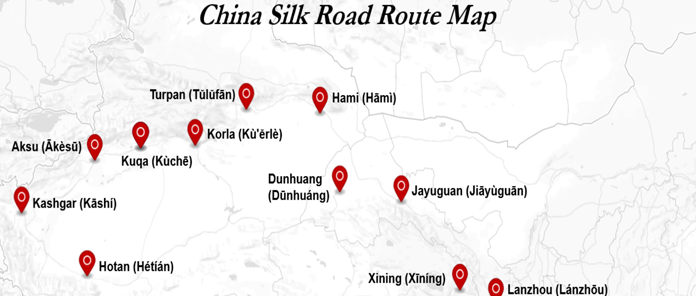
Dunhuang stood at the edge of deserts and the meeting point of regions. Travelers paused here before moving east or west. Buddhist monks used Dunhuang as a place to teach and create art. The Mogao Caves show how belief and culture blended over centuries. Murals reflect Indian, Central Asian, and Chinese influences. Dunhuang became a storehouse of Silk Road history and spiritual exchange.
Qinghai as a Plateau of Learning and Faith
Qinghai connected the highland regions with inland China. Monasteries grew here as centers of study and practice. Tibetan Buddhism took deep root across the plateau. Places like Kumbum Monastery show how education, art, and belief shaped daily life.Qinghai became a bridge between Tibetan traditions and the cultures of the Central Plains and the Hexi Corridor.
Gansu as a Corridor of Movement and Exchange
Gansu formed the narrow passage linking many regions. Caves, temples, and settlements appeared along this stretch. The region carried ideas eastward through its valleys and mountain passes. Buddhist art in Gansu shows early styles shaped by Central Asia. These sites reveal how culture moved step by step across long distances.
How the Silk Road Express Works as a Modern Cultural Corridor
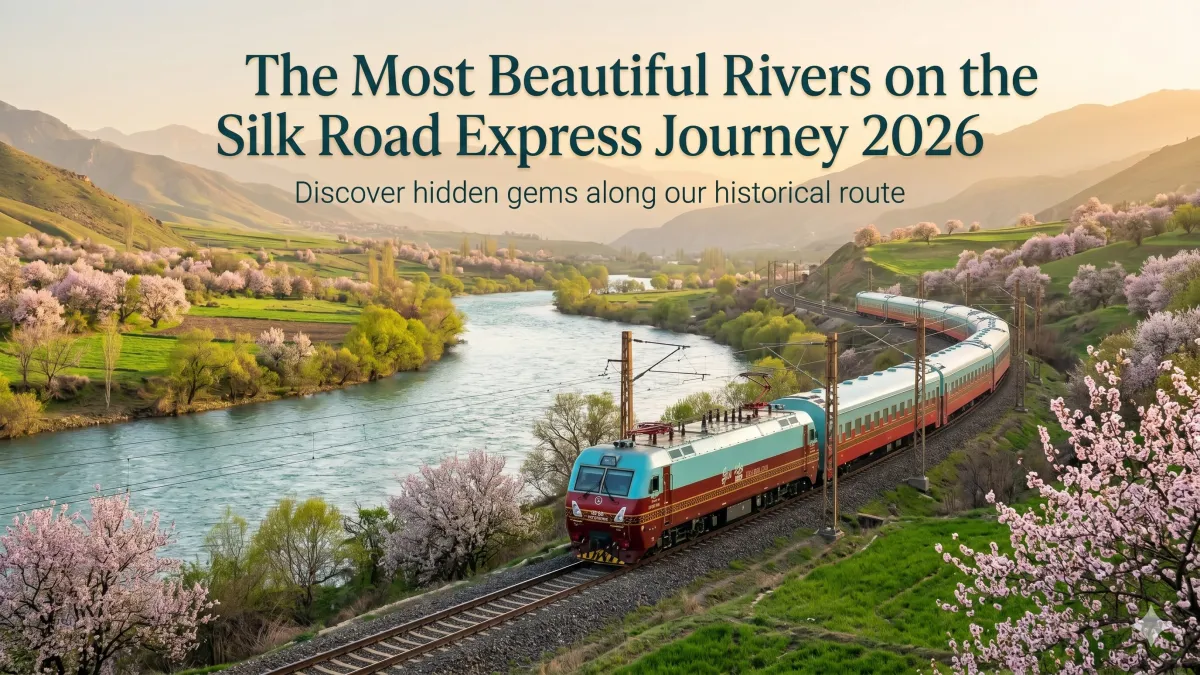
Transport infrastructure moves people fast. Cultural infrastructure helps people understand where they are. The Silk Road Express belongs to the second type. It is not only about reaching a destination. It is about learning along the way.
Curated rail routes turn travel into a learning experience. Stops are chosen for their history and meaning. Guides explain the land, belief systems, and art. Travelers are encouraged to observe, listen, and reflect. This creates a deeper connection with each place.
Speed is not the primary goal here. Understanding is. The train moves through deserts, plateaus, and historic towns at a steady pace. This slower rhythm allows travelers to see changes in landscape and culture. It mirrors how ideas once moved along the ancient Silk Road.
Slow travel supports cultural immersion. Time is given to visit monasteries, cave temples, and heritage sites. Instead of rushing, travelers absorb stories and context. In this way, the Silk Road Express works as a modern cultural corridor, not just a rail line.
Key Cultural Regions Connected by the Silk Road Express
The Silk Road Express links regions that shaped the cultural history of northwest China. Each place holds a different layer of belief, art, and exchange.
Dunhuang and Buddhist Art Heritage
Dunhuang is one of the strongest symbols of Silk Road culture. It stands where routes from Central Asia met inland China. This made it a natural place for cultural exchange.
The Mogao Grottoes(Caves) preserve centuries of Buddhist art. Murals, statues, and manus show how beliefs evolved. These works reflect many influences, including Indian and Central Asian styles.Dunhuang culture represents the artistic heart of the ancient Silk Road.
Qinghai and Tibetan Buddhist Traditions
Qinghai lies on a high plateau shaped by faith and learning. Tibetan Buddhism developed strong roots here. Monasteries became centers of education and community life.
Kumbum Monastery stands as a key site of Gelug Buddhism. It links religious study with art and ritual. Qinghai's culture reflects a balance between spiritual practice and daily life. This makes it an important region for understanding Tibetan Buddhist heritage.
Gansu and the Gateway Role of the Hexi Corridor
Gansu forms a narrow passage between deserts and mountains. This area served as a corridor for movement between Central Asia and Inner China for centuries.
The Hexi Corridor carried ideas eastward step by step. Along desert routes, cultures layered over time. Cave sites, temples, and settlements mark this path. Gansu shows how geography shaped cultural flow and connection across long distances.
Together, Dunhuang, Qinghai, and Gansu reveal how culture moved, settled, and survived. The Silk Road Express brings these regions together into a single connected story.
Cultural Preservation and Controlled Access Under BRI
● Heritage protection is treated as part of long-term development planning
● Fragile sites like caves and monasteries require controlled visitor access
● Limits on visitor numbers help protect murals, statues, and structures
● Focus on education-based visits rather than mass tourism
● Guided access helps visitors understand history and cultural value
● Cultural experts explain why preservation is important
● Sustainable tourism supports heritage without damaging it
Domestic Connectivity and Cultural Identity Building
BRI is not only about links beyond China. It also supports domestic integration. Inland and western regions gain stronger connections with the rest of the country.
Rail routes and cultural corridors link history with the national story. Places like Qinghai and Gansu become part of shared awareness. Their past is no longer distant or overlooked.
This connectivity strengthens the understanding of Western China's role in history. People learn how belief, trade, and culture shaped these regions. It builds respect for diversity within one country.
Cultural pride grows through recognition. Local heritage gains value. Communities feel seen and respected. In this way, BRI supports cultural identity alongside economic development.
The Silk Road Express as a People-Centered BRI Example
The Silk Road Express reflects a people-centered approach to BRI. It focuses on learning and dialogue rather than fast movement. Travelers are encouraged to understand history and listen to local voices. Shared memory becomes part of the journey.
Local scholars, guides, and artisans all play active roles. They explain belief systems, art, and daily life. Their knowledge adds depth and meaning. This support helps keep local culture alive and respected.
The experience is built around cultural storytelling. Sites are explained in the context of their history. Travel becomes a way to learn rather than consume. This approach reflects China’s soft-power goals under the BRI. Culture builds connection where infrastructure alone cannot.
Why Cultural Projects Matter for BRI's Long-Term Success
Infrastructure can link places. It cannot build trust on its own. Cultural projects help people understand one another. They create emotional and historical connections.
Shared heritage leaves a lasting impression. It shapes how regions view one another over time. This influence grows slowly but stays strong.
The Silk Road Express shows how culture supports long-term goals. It combines access with education and care. This model can be repeated in other regions. It proves that cultural diplomacy is key to BRI's lasting success.
Conclusion: The Silk Road Express as a Cultural Mirror of BRI
The success of the Belt and Road Initiative depends on more than roads and rail lines. It depends on trust, understanding, and shared memory. The Silk Road Express shows how culture can guide modern development. By focusing on learning, heritage protection, and local voices, it supports a people-centered connection. Buddhist sites, monasteries, and historic corridors serve as bridges between the past and the present. This approach strengthens domestic identity and cultural awareness. In the long run, projects that respect history and human connection offer the strongest foundation for BRI’s future.
FAQs
Is the Silk Road Express an official Belt and Road Initiative project?
No. The Silk Road Express is a privately operated cultural train. It is not part of the official BRI rail network, but it supports BRI's cultural goals.
How does the Silk Road Express support the Belt and Road vision?
It promotes cultural exchange, heritage learning, and people-to-people connections across historic Silk Road regions such as Dunhuang, Qinghai, and Gansu.
Why is culture important to the Belt and Road Initiative?
Culture builds trust and shared understanding. It connects history, identity, and memory, which supports long-term cooperation beyond infrastructure.