




The Ultimate Silk Road Bucket List: 5 Ancient Sites You Must See Before You Die
You think you know history. You’ve read the books. You’ve seen the documentaries. But you haven't felt it. Not yet.
The Silk Road isn't just a line on a map. It is a feeling. It is the sound of wind over sand dunes. It is the smell of incense in a thousand-year-old cave. It is the vast, terrifying silence of the Gobi Desert.
Most people travel to China and stick to the cities. They see the skyscrapers of Shanghai. They walk the crowded sections of the Great Wall in Beijing. Then they go home.They miss the real magic.If you skip the West, you miss the country's soul. Gansu Province and the high plateau are where legends were born. This is where empires clashed. This is where art was hidden for centuries.
Before we dive in, remember: this journey is about more than places. These five destinations will shape your adventure and linger in your memory long after you've returned home.
1. Qinghai Lake: The Sapphire on the Roof of the World
Start your journey high up at Qinghai Lake, the largest saltwater lake in China. It spans 4,400 square kilometers and sits on the Tibetan Plateau, making it a unique ecosystem and a stunning natural wonder.
It sits at 3,200 meters above sea level. The air is thin here. The light is different. It’s sharper. It makes the water look impossibly blue.
Locals consider this lake sacred. You will see prayer flags fluttering in the wind. You might see pilgrims walking the perimeter. It’s a spiritual experience, not just a sightseeing stop. To honor local traditions, consider walking around the lake clockwise, as is customary. Be mindful not to disturb or interfere with any offerings you might encounter along your path.
● The Visual: In July, millions of yellow rapeseed flowers bloom. The contrast between the yellow fields and the blue water is unreal. It looks like a painting.
● The Feeling: You feel small here. The horizon stretches forever. It is the perfect place to leave your stress behind.
Many travelers skip this site because it seems far, but starting at Qinghai Lake sets the tone. It’s the gateway to the West, preparing you for what’s to come.
2. Zhangye Danxia: The Rainbow Mountains
You have probably seen photos of this on Instagram. You might think it is Photoshop. It isn’t.
The Zhangye Danxia Landform in Gansu Province is famous for its vivid, layered colors, created by mineral deposits forming red, yellow, and orange stripes. The area covers about 510 square kilometers and is a UNESCO World Heritage Site.
This happened over 24 million years. Sandstone and minerals were pressed together. Then the tectonic plates moved. They pushed the colorful rock up into jagged peaks.
● The Best Time: Go at sunset. The low light makes the reds burn brighter. The colors pop against the grey sky.
● The Reality: It feels like walking on Mars. You can’t hike on the fragile soil itself. You walk on wooden boardwalks. But the view? It is worth every step.
After marveling at nature’s artistry here, your journey continues westward, bringing you to another legendary threshold of the Silk Road.
3. Jiayuguan Pass: The End of the Empire
Imagine being a soldier five hundred years ago—sent to the edge of the world, looking west, seeing only endless desert. The wind carries the distant sound of a lone reed flute, echoing the solitude. As one soldier wrote, the nights stretch long, with stars whispering stories of home and every gust of wind a reminder of your small place in the vastness. This is Jiayuguan.
This fort, completed in the 14th century under the Ming Dynasty, marks the western end of the Great Wall. The structure includes multiple gates, towers, and ramparts, serving as a critical outpost for defense and trade regulation along the Silk Road.
● The History: This wasn’t just a wall. It was a border control station. Merchants, exiles, and generals passed through these arches.
● The View: Stand on the ramparts. To one side, you see the snow-capped Qilian Mountains. To the other, the black Gobi Desert.
You can feel the ghosts here. It is a lonely, powerful place. Unlike the crowded wall sections near Beijing, Jiayuguan feels wild and authentic. From here, continue your journey toward the oasis of culture hidden in the desert.
4. The Mogao Grottos(Caves): The Gallery in the Sand
This is it. This is the crown jewel. If you only see one thing on your trip to China, make it Dunhuang, Gansu.
The Mogao Caves are not just a museum. They are a time capsule. Monks carved these caves into the cliffside starting in 366 AD. They filled them with statues and murals for a thousand years. Today, local conservationists and dedicated monks continue to steward these artistic treasures, safeguarding them for future generations. Their efforts are a testament to the ongoing commitment to preserving the Silk Road's cultural heritage.
Then, the Silk Road faded. The caves were abandoned. The desert sand buried them. They slept in the dark for centuries.
● The Experience: You walk into a cool, dark cave. Your guide shines a flashlight. Suddenly, the walls come alive. You see flying apsaras (spirits). You see giant Buddhas. The colors are still vibrant.
● The Exclusivity: You can’t just wander in. Access is strictly controlled to protect the art. Some “Special Caves” cost extra and require advance booking.
Reflecting on the caves' enduring beauty, take a short journey to nature’s spectacle right next door.
5. Mingsha Shan: The Singing Sand Dunes
Right next to the caves, nature offers another wonder. The Mingsha Shan, or “Singing Sand Dunes,” tower over the city of Dunhuang, Gansu.
These aren’t small hills. These are mountains of sand. When the wind blows, the sand shifts. It makes a low, humming sound. It sounds like a distant drum or a choir.
● The Crescent Moon Spring: At the bottom of the dunes lies a miracle. A small, crescent-shaped lake. It has existed for thousands of years. It never dries up. It never gets buried by the sand.
● The Climb: Climbing a sand dune is hard work. For every two steps up, you slide one step back. But the view from the top is legendary. You see the oasis green against the gold sand.
This is the classic Silk Road image. Camels walking in a line. The sun is setting over the dunes. It is the perfect end to your bucket list.
How to Connect the Dots
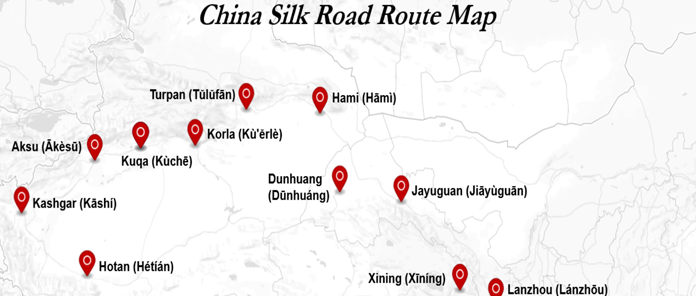
You might look at a Silk Road Map and feel overwhelmed. The distances are huge.
The distance from Qinghai to Dunhuang is over 1,000 kilometers. The terrain is rugged. It is hot in summer and freezing in winter.
Driving this route is exhausting. You spend hours on lonely highways. Navigating signs in Chinese is stressful. You arrive at these amazing sites tired and dusty.
That is why the route matters. You need a way to move between these wonders without losing your energy. You want to stare out the window at the changing landscape, not stare at a GPS map.
Conclusion:
The world is changing fast. Sites get more crowded. Rules get stricter.
The Silk Road is open now. The caves are waiting. The sand is singing.
You can read about the Rainbow Mountains online. You can watch videos of Qinghai Lake. But it's not the same. You need the wind in your hair. You need the dust on your boots.
This isnt just a trip. It's a pilgrimage to the past. It's a reminder of how big and beautiful the world really is.
Don't let this be just another list you read. Make it the plan for your next adventure. The ancient world is calling you.
Travel Recommendations for China
Are you ready to cross these five legendary sites off your bucket list?
You don't have to worry about the long distances or the rugged terrain. Experience the glory of the Silk Road in comfort.
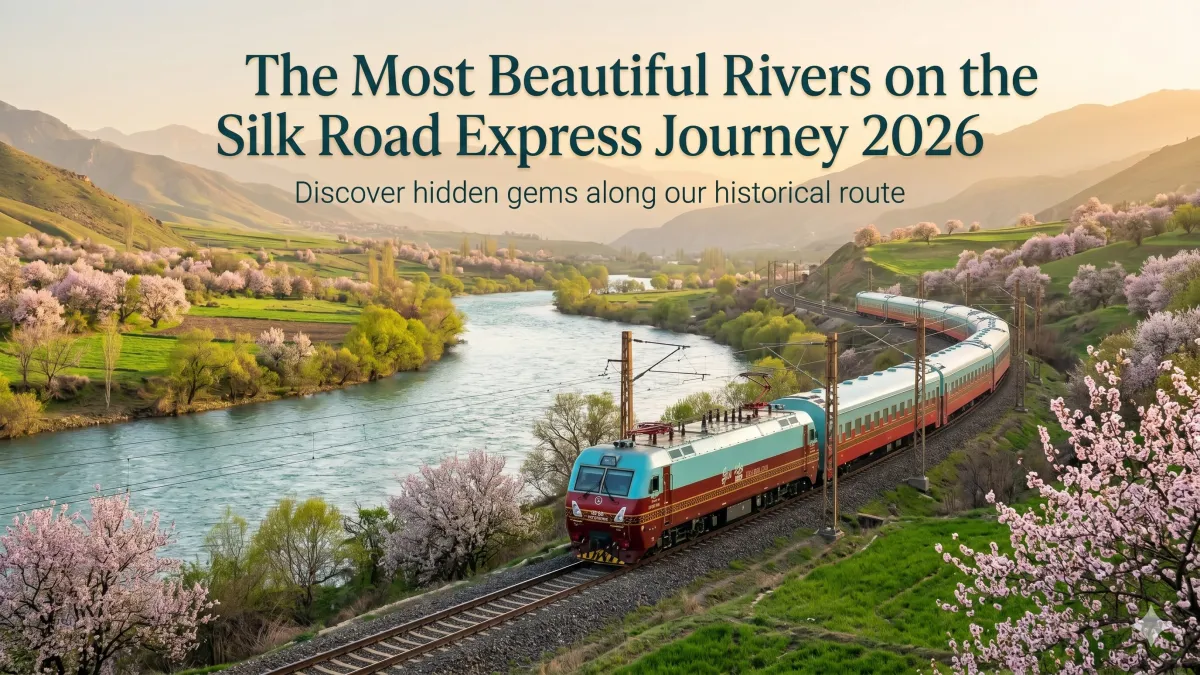
We recommend exploring this historic corridor by rail. It is the most seamless way to travel. You sleep in a luxury suite and wake up at the next wonder.
Train of Glamour: Travel Without Compromise.
We offer curated journeys to Gansu Province, Qinghai Lake, and the Mogao Caves. Our itineraries are for travelers who want to live the history, not just see it.
Visit our website to view our Silk Road route map and start planning your adventure today.
FAQs:
What is the best time to visit the Silk Road sites?
May to October is the peak season. The weather is warm. However, if you want to avoid crowds, late autumn is beautiful. The gold leaves in Gansu Province are stunning. Winter offers a unique, quiet beauty, especially at the caves.
Is it difficult to get tickets for the Mogao Caves in Dunhuang, Gansu?
Yes. Tickets are limited. In summer, they sell out weeks in advance. We highly recommend booking a tour that includes tickets secured for you. This ensures you don’t miss the highlight of the trip.
Can I see all these sites in one week?
It is possible, but rushed. To truly enjoy Qinghai Lake and the Hexi Corridor, we recommend at least 10 days. Slow travel helps you acclimatize to the altitude and appreciate the art.
Is the food on the Silk Road safe for foreigners?
Street food can vary in hygiene, especially in remote areas. On our luxury trains, we use local ingredients to create Michelin-style cuisine, ensuring both authenticity and food safety.
During ground experiences, guests will also enjoy trusted local specialties such as hand-grabbed lamb and yak meat, allowing you to taste the Silk Road with confidence.
How do I handle the high altitude at Qinghai Lake?
Qinghai Lake sits at around 3,200 meters, so mild shortness of breath is possible. We recommend drinking plenty of water, avoiding alcohol, and starting Rhodiola (Hongjingtian) about a week in advance.
On board, oxygen pillows and basic oxygen support are available to help guests rest more comfortably and adapt gradually.